

Auto Accident Injury Treatment in West Des Moines, IA
Content Reviewed by: Dr. Josiah Fitzsimmons, DC, BCN on November 10, 2026
Iowa Chiropractic License #085940 (NPI: 1568993574)
Auto Accident Injury Treatment At A Glance
Auto accident injuries affect the spine, neck, and soft tissue in ways that can worsen significantly when left unaddressed. The force of a collision, even at low speed, can cause whiplash, disc injuries, nerve irritation, and musculoskeletal trauma that may not produce significant pain until hours or days after the accident. Early evaluation is important both for your health and for documenting your injuries accurately.
At Vero Health Center, we evaluate crash-related injuries thoroughly, identify what the collision has done to your spine and surrounding structures, and build a care plan based on your specific findings. We work with patients navigating personal injury claims and can provide clinical documentation of your injuries and treatment as needed.
Vero Health Center accepts same-day appointments for accident-related evaluations. If you were recently in a collision, do not wait to be seen.
What Are Auto Accident Injuries?
Auto accident injuries are musculoskeletal, neurological, and soft tissue injuries that result from the forces involved in a vehicle collision. Even low-speed collisions generate significant forces on the occupant’s head, neck, and spine, particularly when the vehicle is struck from behind or to the side.
Common injury types include whiplash, cervical and lumbar strain, disc injuries including herniation and bulge, facet joint injury, nerve irritation, and concussion-related symptoms. The severity and location of injury depend on the direction of impact, the speed of the vehicles involved, whether the occupant was braced at impact, and pre-existing spinal conditions.
Many auto accident injuries are soft tissue injuries that do not appear on standard imaging. This does not mean they are not real or not significant. A chiropractic evaluation assesses the functional and structural changes that imaging may not capture, which is why many accident patients find that chiropractic care identifies and addresses injuries that emergency room or urgent care visits miss.


Common Symptoms Of Auto Accident Injuries
Symptoms following a car accident can appear immediately or develop over the days and weeks that follow. The delayed onset of symptoms is one of the most misunderstood aspects of auto accident injuries.
The most common symptoms include neck pain and stiffness, headaches originating at the base of the skull, upper and lower back pain, shoulder pain and limited range of motion, and radiating pain or tingling in the arms or legs when nerve structures are involved. Jaw pain, difficulty concentrating, and sleep disruption are also reported by some accident patients, particularly after higher-force collisions.
Symptoms often worsen in the days following the accident as inflammation builds and protective muscle guarding sets in. Patients who feel fine immediately after a collision and do not seek evaluation sometimes find that their symptoms have progressed significantly by the time they do come in. Early evaluation is the most reliable way to document the injury and begin care before that progression occurs.
Functionally, auto accident injuries can limit driving, desk work, sleep, and physical activity. The combination of pain, stiffness, and neurological symptoms often makes daily life considerably harder than patients expected from what they initially described as a minor accident.
What Causes Auto Accident Injuries?
Auto accident injuries are caused by the forces that a collision transmits through the vehicle and into the occupant’s body. Rear-end collisions are among the most common mechanisms because they cause rapid acceleration and deceleration of the head and neck, producing the whiplash pattern of cervical injury.
Side-impact collisions produce lateral forces on the neck and spine that can injure facet joints, discs, and surrounding musculature differently than rear impacts. Front-end collisions often produce bracing injuries when the occupant tenses before impact.
Seat belts and airbags reduce the risk of life-threatening injury, but they do not eliminate the risk of spinal injury, joint restriction, muscle strain, ligament irritation, or nerve involvement. Occupants who were braced or turned at the moment of impact may sustain asymmetric injuries that require careful evaluation to identify. The presence and position of the headrest at the time of the crash can also significantly affect the nature of cervical injury in rear-end collisions.

Conditions That Can Mimic Auto Accident Injuries
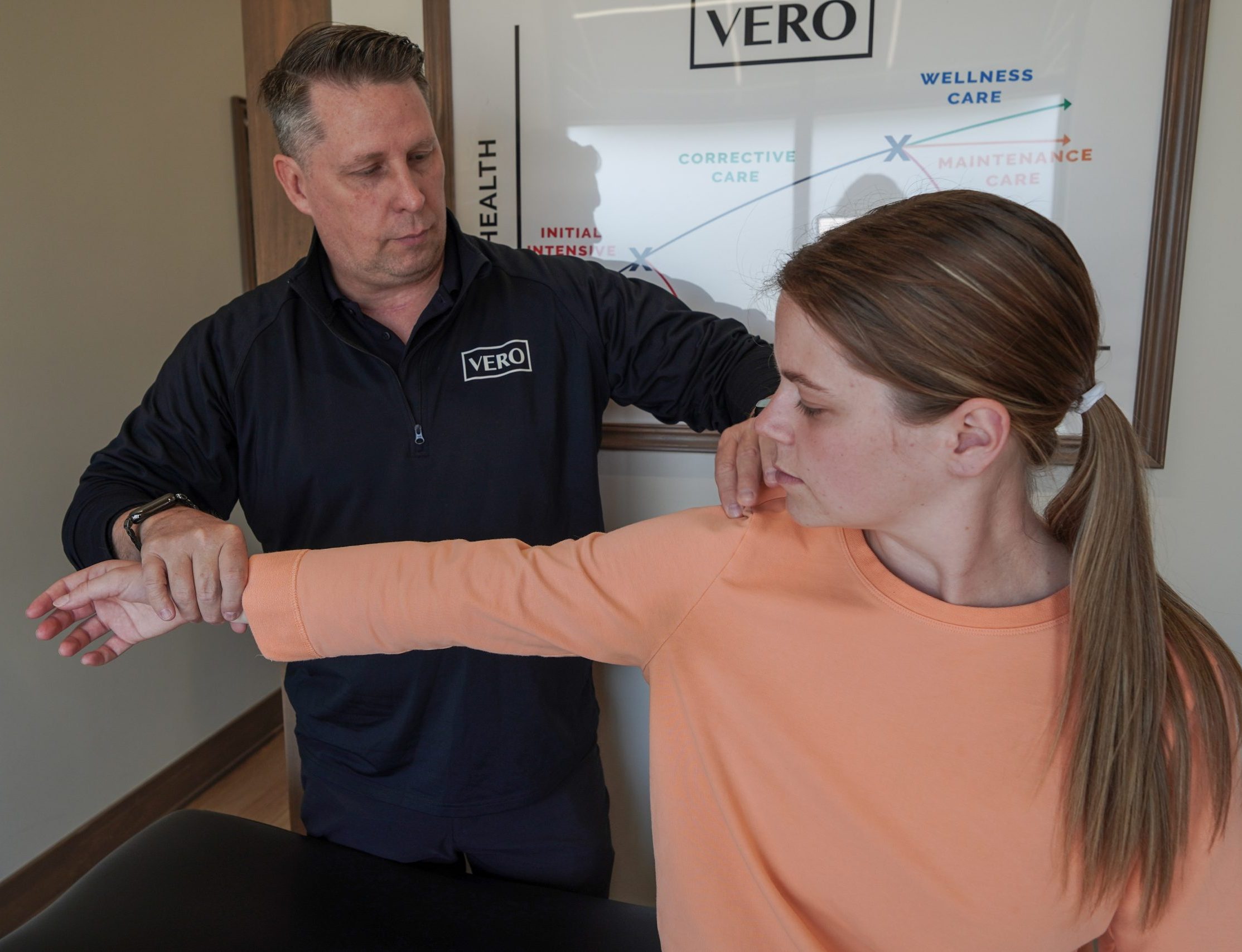
Several conditions produce symptoms similar to those that follow a car accident. Accurate diagnosis is important to ensure that care addresses the actual injury rather than a pre-existing or unrelated condition.
Pre-existing cervical degenerative disc disease may be aggravated by collision forces, producing symptoms that are more severe than the accident alone would explain. Tension headaches unrelated to the accident can also develop in the stressful period following a crash. Temporomandibular joint dysfunction sometimes occurs after impact and can be confused with referred neck or jaw pain from a cervical injury.
Our evaluation distinguishes between injuries caused by the collision and pre-existing conditions that may have been aggravated. That distinction matters both for your care and for any injury claim you are managing.
When To Seek Urgent Care For Auto Accident Injuries
Seek emergency medical attention immediately if you experience loss of consciousness during or after the collision, severe head pain, sudden weakness or numbness in the arms or legs, vision changes, difficulty speaking or swallowing, loss of bladder or bowel control, or significant chest pain after the accident. These symptoms may indicate serious neurological or cardiovascular injury that requires immediate hospital evaluation. Chiropractic care is appropriate after acute emergencies have been ruled out.
What Our Patients Are Saying




How We Diagnose Auto Accident Injuries At Vero Health Center
Diagnosing auto accident injuries begins with a detailed account of the collision itself and a thorough clinical examination at Vero Health Center.
We ask about the direction of impact, vehicle speed estimates, whether you were braced, your seating position, and when symptoms first appeared. This information shapes how we interpret the examination findings. We assess cervical and lumbar range of motion, postural changes, muscle guarding, spinal joint mobility, movement compensation, and nerve function.
Orthopedic and neurological testing evaluates disc and nerve involvement. Where imaging is warranted to confirm suspected structural injury, we will communicate that recommendation clearly. For patients who already have post-accident imaging, we review those findings as part of the evaluation.
How Vero Health Center Treats Auto Accident Injuries
Treatment for auto accident injuries at Vero Health Center is built around the specific injuries identified during evaluation. The care plan may address spinal dysfunction, muscle strain, joint restriction, disc involvement, and nerve irritation through the combination of services and recommendations most appropriate for the patient’s presentation.

Chiropractic Adjustments For Spinal And Joint Injury
Chiropractic adjustments restore motion to restricted spinal joints, reduce nerve irritation, and address the mechanical dysfunction that collision forces produce in the spine. Technique is modified for the acute phase of care when appropriate.

Muscle Rehab And Home Exercise Support
Crash-related muscle guarding, strain, weakness, and movement compensation can affect how the spine and joints recover after an accident. When appropriate, we provide home exercise guidance to support muscle rehab, improve movement patterns, and help patients continue recovery outside the office. This allows the surrounding musculature to be addressed alongside chiropractic care without treating the spine and muscles as separate problems.
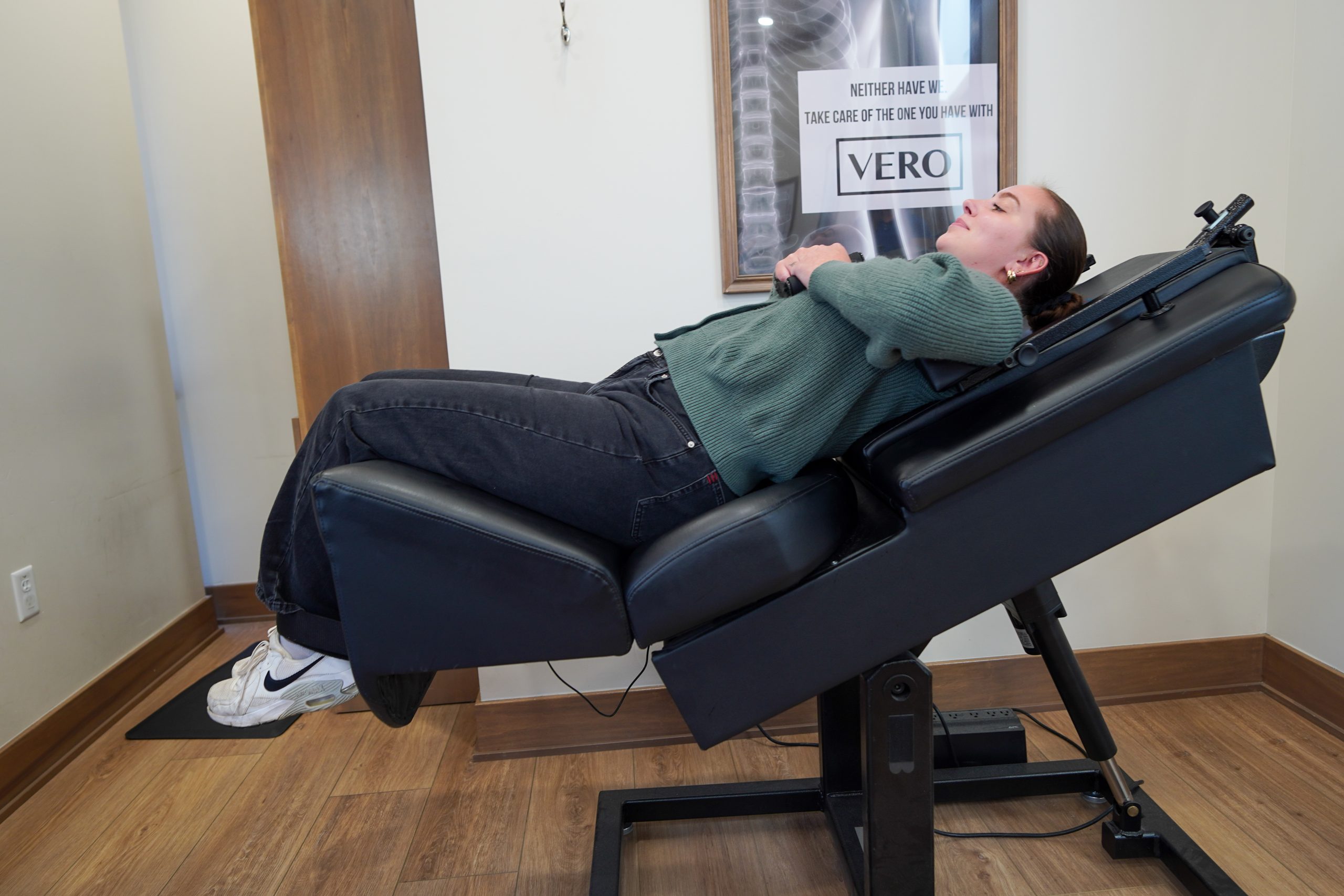
Spinal Decompression Therapy For Disc Involvement
When evaluation confirms disc injury as a component of the crash-related injury, spinal decompression therapy may be appropriate as part of the care plan. This is particularly relevant for patients with radiating pain or numbness following the collision.
Why Early Treatment Matters For Auto Accident Injuries
Early treatment after a car accident may improve recovery outcomes and help prevent acute injuries from becoming chronic conditions. When spinal dysfunction, joint restriction, muscle guarding, and movement compensation are not addressed promptly, the body may adapt in ways that make pain, stiffness, and mobility problems harder to resolve over time.
Early evaluation also creates an accurate clinical record of your injuries at the time they occurred. This record matters if you are managing a personal injury claim. Delayed evaluation makes it harder to establish causation between the accident and your symptoms.
Meet The Experts Behind Your Care
Dr. Josiah Fitzsimmons, D.C.
Dr. Josiah Fitzsimmons is originally from Ames, IA. He played college football at South Dakota State and graduated cum laude with a bachelor’s degree in Exercise Science and a master’s degree in Nutrition, Exercise and Food Sciences in a five-year span. He then attended the fountainhead, Palmer College of Chiropractic.

Dr. Logan Dabney, D.C.
Dr. Logan Dabney is originally from Centerville, IA. He attended Centerville High School, where he discovered his passion for health and science as a frequent visitor to his hometown chiropractor. He then attended the University of Northern Iowa, where he majored in Pre-Med/Chiropractic Biology, before completing his graduate studies at Palmer College of Chiropractic. During his time at Palmer, Dr. Logan was heavily involved in Torque Release Technique and earned Advanced Proficiency Certification in it.
Dr. Scott Coyle, D.C.
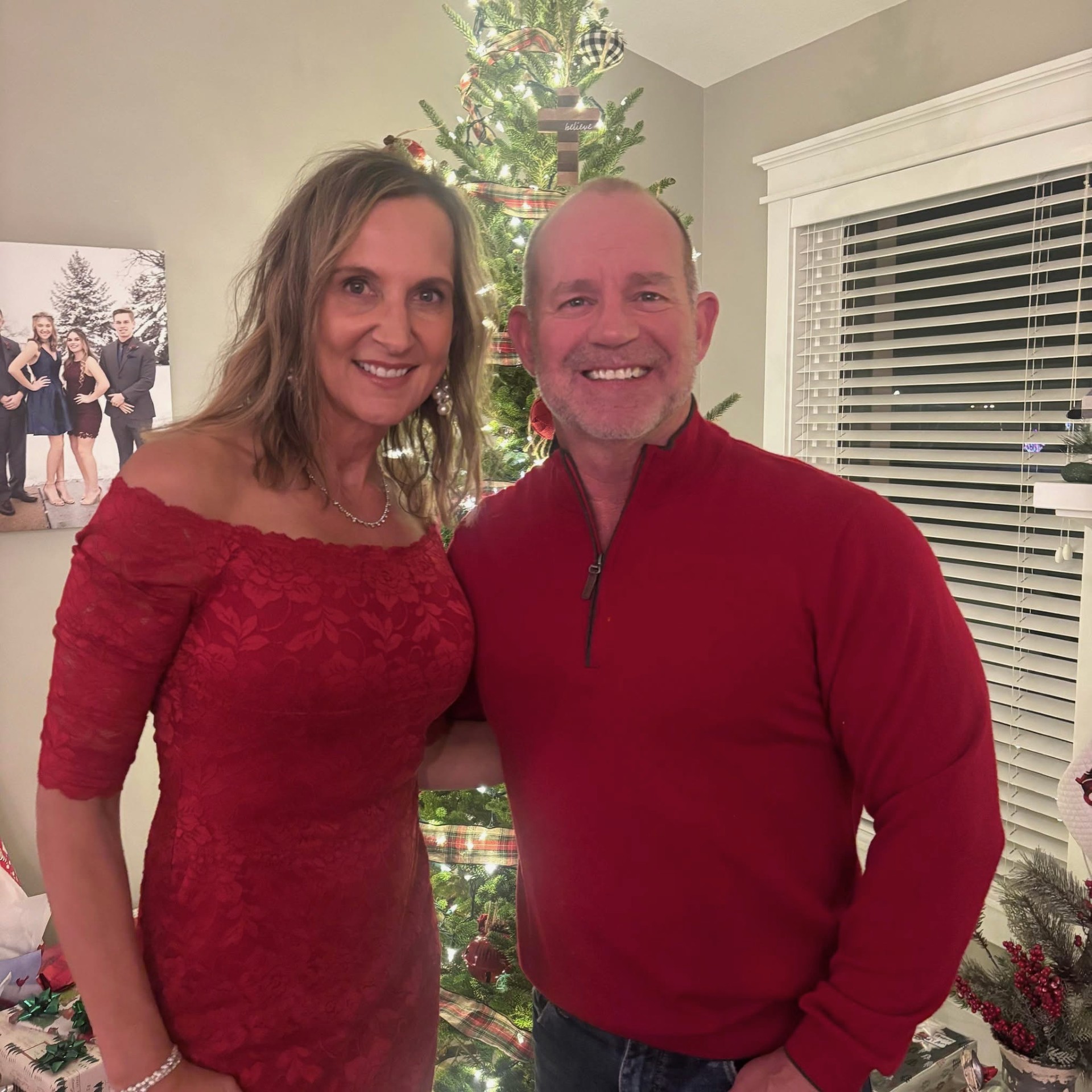
Dr. E. Scott Coyle is originally from Waterloo, IA. He graduated from Pepperdine University with a Bachelor of Science degree in Sports Medicine and then attended Palmer College of Chiropractic-West. After practicing in California for several years, he returned to Knoxville, IA, in 1997, where he practiced until 2016. Dr. Coyle then worked in robotic spine and brain surgery for two years with Mazor Robotics, and practiced in Lawrence, KS, for two years before returning home to join the Vero Health Center team. He works with patients dealing with chronic neck, mid-back, and low-back pain, headaches, and arthritis-related discomfort.
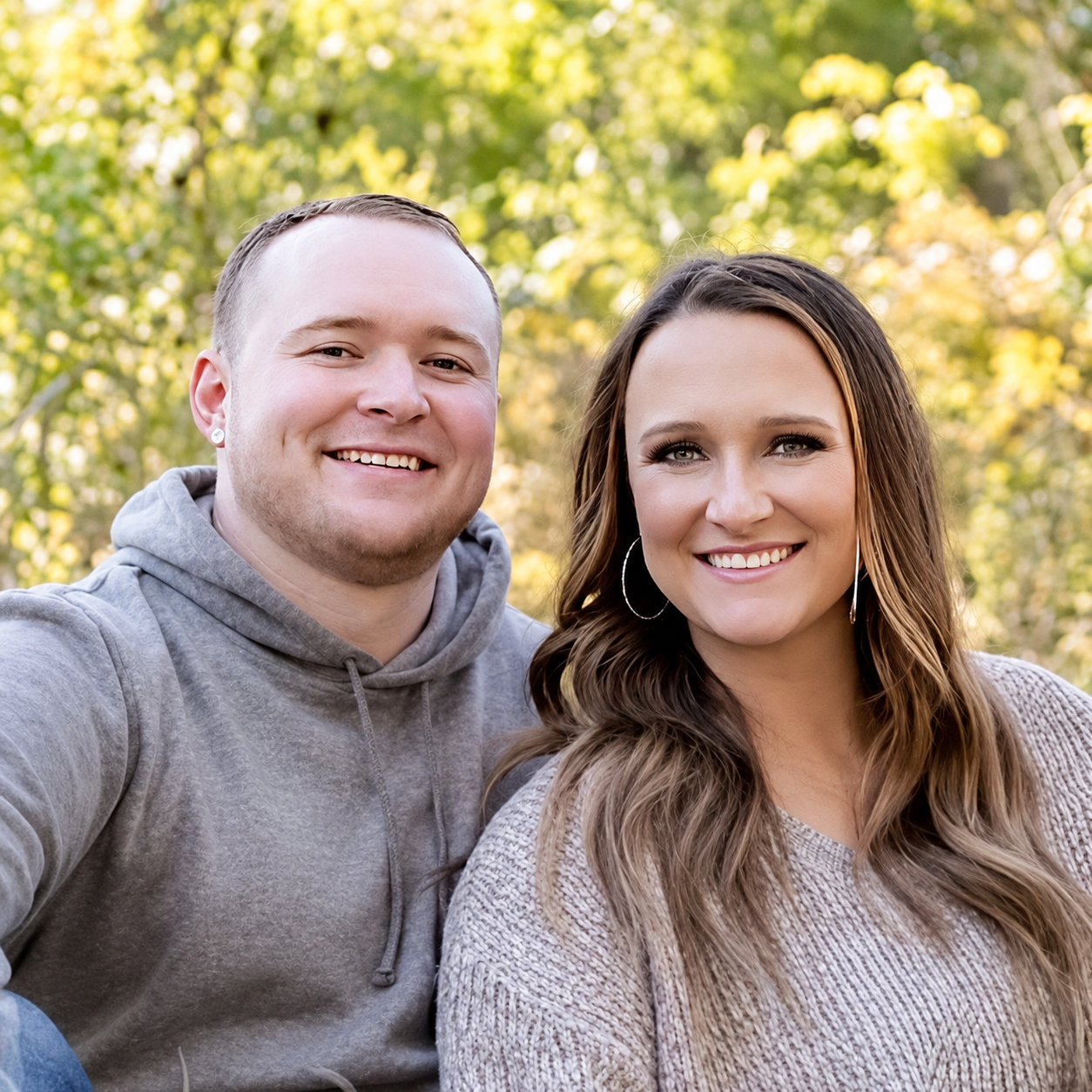
Dr. Austin Seitsinger, D.C.
Dr. Austin Seitsinger is originally from Sumner, Iowa. He studied Biology at the University of Northern Iowa, and then attended Palmer College of Chiropractic. He chose to pursue chiropractic at a young age as he has always had a passion for helping others.

Dr. Nate Halverson, D.C.
Dr. Nate Halverson is originally from Fort Dodge, IA, where he was a multi-sport athlete at Fort Dodge Senior High and placed 5th at the Iowa High School wrestling tournament. He found his passion for holistic health care through his background in athletics. After receiving his Bachelor’s degree in Biology from the University of Northern Iowa, he graduated with honors from Palmer College of Chiropractic in Davenport, IA, in 2015. He then worked as the lead chiropractor for a chiropractic and sports injury practice in Chicago before moving back to the Des Moines area with his wife, Leah, to be closer to family. They welcomed their daughter, Hayes, in April 2022 and their son, Steele, in June 2024.

Dr. Colby Nelson, D.C.
Dr. Colby Nelson is originally from Audubon, Iowa. He attended Iowa State University, where he received his Bachelor of Science degree in Psychology, and then attended Palmer College of Chiropractic in Davenport, where he received his Doctorate of Chiropractic degree. During his time at Palmer, he was a leader of the Sports Injury Club and participated in a clinic abroad program in Brazil. Before joining the team at Vero, Dr. Colby operated his own chiropractic clinic for 12 years.
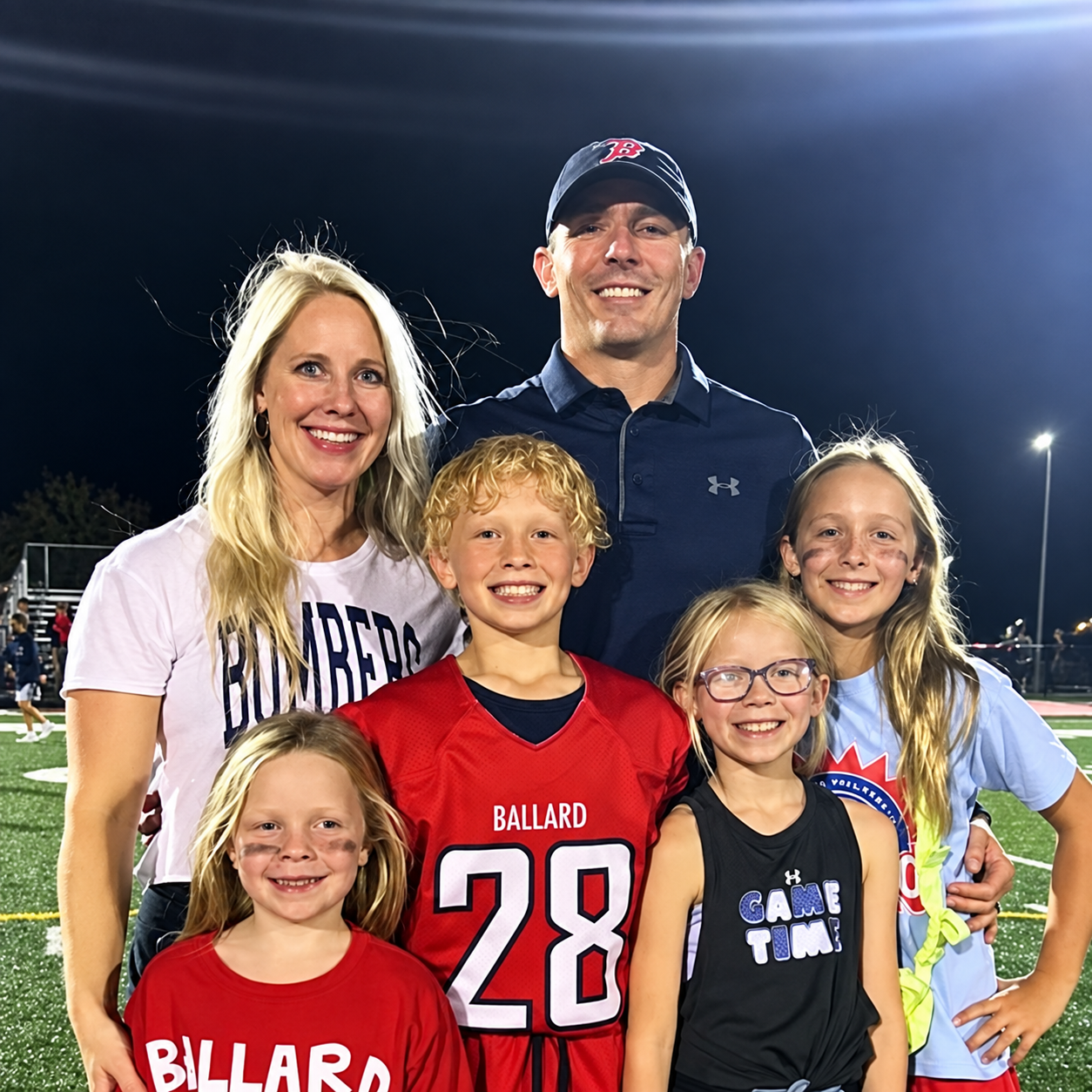
Dr. Taylor Vanden Wynboom, D.C.
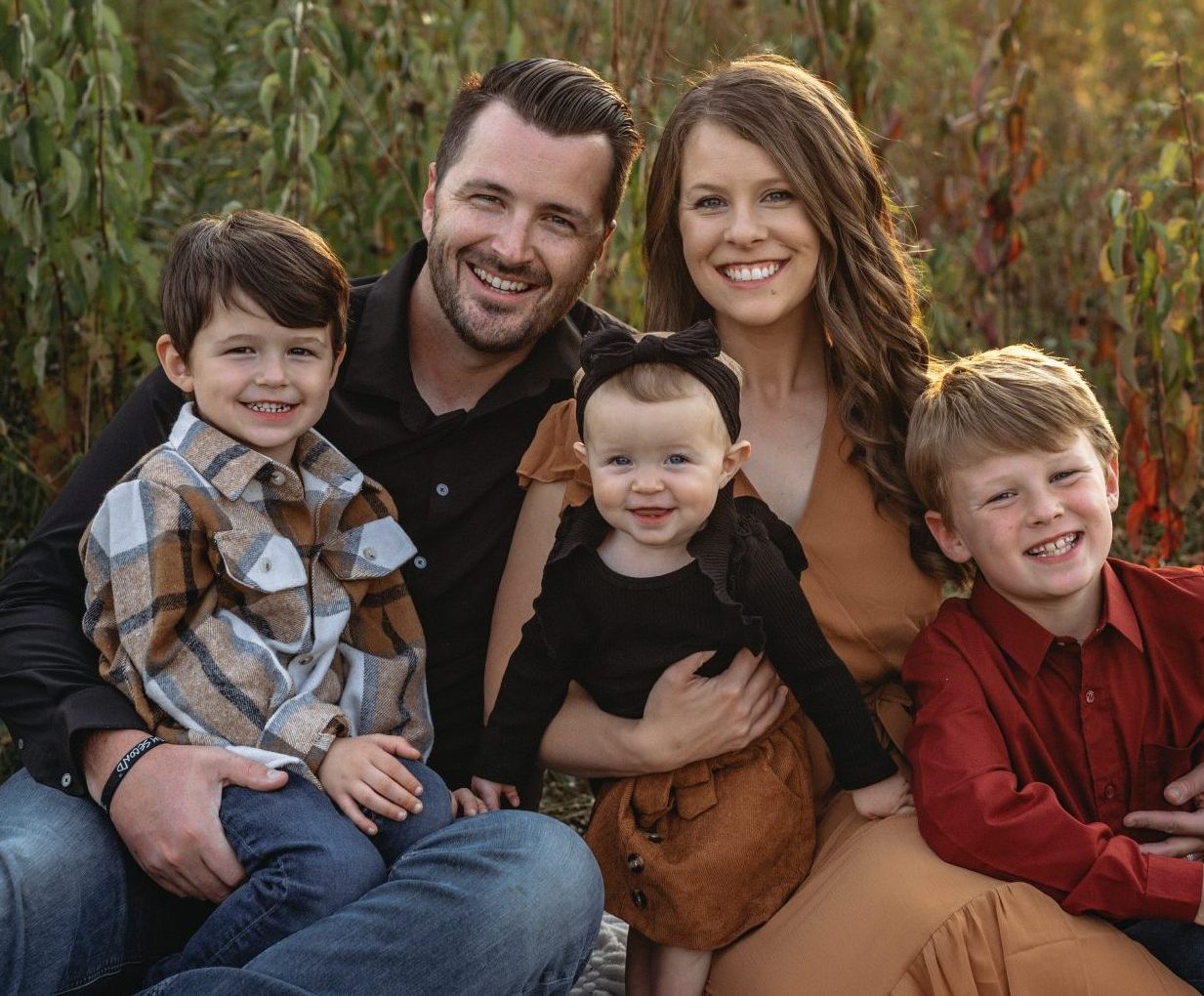
Dr. Taylor Vanden Wynboom is originally from Britt, IA. He received his BS degree from Central College and his Doctorate degree from Palmer College of Chiropractic. Before joining the team at Vero Health Center, he owned his own practice in both Ames and Ankeny. In his free time, he enjoys coaching football, exercising, and spending time with his wife Amanda and their four kids, Tate, Harper, Holland, and Harlow.

Dr. Darrius Poe, D.C.
Dr. Darrius Poe is originally from Fort Dodge, Iowa. He attended the University of Northern Iowa where he earned a bachelor’s degree in exercise science. While in undergrad, he discovered his passion for chiropractic after being treated for a sports injury in a chiropractic clinic. Not only did the chiropractic treatments help with his shoulder injury, he was also educated on the intricacies of the central nervous system and how chiropractic care can help the body heal and function better as a whole. Dr. Darrius’ experience as a chiropractic patient motivated him to pursue a career in chiropractic. He attended Palmer College of Chiropractic in Davenport, IA, where he received his doctorate in 2018. Prior to joining the Vero team, Dr. Darrius served as an associate and clinic director for six years in the Des Moines metro area.

Dr. Toby Thepsoumphone, D.C.
Dr. Toby Thepsoumphone is originally from Smyrna, Delaware. He graduated from the University of Delaware with a Bachelor of Science in Exercise Science with a concentration in Exercise Physiology. He then pursued a doctorate degree in chiropractic and graduated from Palmer College of Chiropractic in Davenport. Dr. Toby also attended Harris School of Business in Dover, Delaware, where he earned a degree in Massage Therapy. He has worked as a Licensed Massage Therapist since 2016. He specializes in sports massage, deep tissue, and gua sha. His passion is to help others to achieve optimal health and wellness. He has certifications in the Webster’s Technique and acupuncture.

Dr. Scott Jacobson, D.C.
Dr. Scott Jacobson grew up in Cherokee, Iowa, and has spent more than 17 years in practice across Iowa, Minnesota, Texas, California, and South America. While living in South America, he helped grow a clinic into one of the largest on the continent and became bilingual in Spanish along the way. He is Board Certified in Neuropathy (BCN) through the American College of Physical Medicine (ACoPM) and previously served in the United States Air Force and worked with the Department of Defense. Dr. Scott Jacobson has also been a black belt in Taekwondo for 40 years. He and his wife have two sons—so apparently he enjoys a challenge both professionally and at home.
Serving West Des Moines And Nearby Iowa Communities
Vero Health Center is located at 630 S 50th St in West Des Moines, Iowa, and serves patients from West Des Moines, Clive, Windsor Heights, Urbandale, Des Moines, Johnston, Norwalk, Waukee, Grimes, Saylorville, Van Meter, Pleasant Hill, Ankeny, Dallas Center, Granger, Polk City, De Soto, Carlisle, Adel, Altoona, Bondurant, Indianola, Cumming, and the surrounding area.
Sources And Clinical References
- Source: Mayo Clinic: Whiplash
- Source: Cleveland Clinic: Whiplash
- Source: NCBI Bookshelf: Whiplash Injury
- Source: NCBI Bookshelf: Low Back Pain: Evaluation and Management
Frequently Asked Questions
Do I need to be in significant pain before being seen after an accident?
No. Many crash-related injuries produce minimal pain in the first hours after a collision. The absence of immediate pain does not mean the spine, joints, muscles, ligaments, or nerves were unaffected. Early evaluation is appropriate even when symptoms are mild at the time.
How soon after an accident should I come in?
As soon as possible. Ideally within the first 24 to 72 hours, while the injury is still in its early phase and before protective muscle guarding has significantly altered your presentation. Early evaluation also strengthens any injury claim you may be managing.
Can Vero Health Center provide documentation for my injury claim?
Yes. We provide clinical documentation of injuries and treatment that is commonly required for personal injury claims. Contact us to discuss what documentation your attorney or insurance carrier requires.
Does insurance cover auto accident injury treatment?
Medical payments (MedPay) coverage, which is part of many auto insurance policies, typically covers chiropractic care after an accident. Coverage details vary by policy.
What if my accident happened weeks ago and I am just now seeking care?
It is not too late to be evaluated and treated, even if time has passed since the accident. Delayed-onset symptoms are common, and we can still assess and address the injuries present. Contact us to schedule an evaluation and we will work with your current presentation.
Helpful Articles

The Source:A Vero Health Center Newsletter – Volume 107
The Source: A Vero Health Center Newsletter - Volume 107 A Vero Health Center Newsletter - Volume 107 Voting is open for CityView’s Best of Des Moines 2027, and we’d...
Read This ArticleBook An Auto Accident Injury Evaluation in West Des Moines
If you were in a car accident, do not wait for symptoms to worsen before being seen. Vero Health Center provides thorough evaluation and treatment for crash-related spinal injuries, joint dysfunction, muscle strain, disc involvement, and nerve irritation, with same-day appointments available. Contact us to schedule your evaluation.