

Neck Pain Treatment In West Des Moines, IA
Content Reviewed by: Dr. Josiah Fitzsimmons, DC, BCN on November 10, 2026
Iowa Chiropractic License #085940 (NPI: 1568993574)
Neck Pain Treatment At A Glance
Neck pain is one of the most common conditions we treat at Vero Health Center. It develops from a wide range of causes including prolonged desk posture, whiplash injuries, disc degeneration, and the sustained forward head position that comes with hours of screen time.
Left unaddressed, neck pain often becomes chronic. Muscles adapt, joints stiffen, and the underlying cause becomes more entrenched over time. At Vero Health Center, we use neurological scanning, postural analysis, and spinal motion testing to identify where dysfunction is occurring before any care begins. That evaluation is what allows us to build a plan that addresses the actual source rather than managing the symptom.
What Is Neck Pain?
Neck pain refers to discomfort, stiffness, or dysfunction affecting the cervical spine, the seven vertebrae between the skull and the upper thoracic spine. The cervical spine is highly mobile and bears the weight of the head, which averages approximately ten to twelve pounds. Small changes in posture or alignment place disproportionate stress on cervical structures over time.
The cervical spine contains intervertebral discs, facet joints, ligaments, and the nerve roots that branch off the spinal cord to supply the shoulders, arms, and hands. Dysfunction in any of these structures can produce local neck pain, referred symptoms into the head, or radiating symptoms into the upper extremities.
Neck pain ranges from a short-lived episode that resolves with rest to a persistent pattern that affects daily function. Chronic neck pain is associated with postural habits that reinforce the mechanical stress on cervical structures even between episodes of acute symptoms.
Common Symptoms Of Neck Pain
Neck pain presents in many forms depending on which structures are involved. Symptoms may develop suddenly after an injury or accumulate gradually over months.
The most common symptoms include localized pain or aching in the back or sides of the neck, muscle tightness and spasm, stiffness that limits rotation and side-bending, and a deep ache or tension that spreads across the top of the shoulders and upper back. Some patients experience headaches that originate at the base of the skull and radiate forward.
When nerve roots are irritated or compressed, symptoms extend beyond the neck. Patients may notice tingling, numbness, or radiating pain that travels from the neck into the shoulder, arm, forearm, or hand. These symptoms correspond to the specific nerve root level that is affected and are often a sign of disc or joint involvement.
Neck pain commonly affects sleep, making it difficult to find a comfortable position. Many patients report that symptoms worsen after long periods at a computer, during long drives, or after waking from sleep in a position that loaded the cervical spine.
What Causes Neck Pain?
Neck pain develops from both acute injuries and gradual mechanical stress. Most cases involve a combination of structural dysfunction and lifestyle factors that maintain or amplify it.
Forward head posture is one of the most common contributors. For every inch the head moves forward of its neutral position, the effective load on the cervical spine increases substantially. Prolonged screen use, driving, and looking down at phones all create this pattern.
Disc degeneration and herniation in the cervical spine are significant causes of both local neck pain and radiating arm symptoms. As discs lose hydration over time, they provide less cushioning and may bulge or herniate in ways that irritate nearby nerve roots.
Whiplash and other acceleration-deceleration injuries to the cervical spine produce soft tissue damage, joint dysfunction, and disc injury that can cause both immediate and delayed neck pain. Even minor collisions can produce significant cervical dysfunction that worsens over time if not evaluated.
Joint dysfunction in the cervical facet joints, often referred to as a cervical sprain or strain, is a common diagnosis following an acute injury or as the result of cumulative postural stress. Facet-related neck pain typically worsens with end-range movement and eases with gentle mobilization.

Conditions That Can Mimic Neck Pain
Several conditions produce symptoms that overlap with typical neck pain. Identifying the true source requires a thorough clinical evaluation.
Thoracic outlet syndrome occurs when blood vessels or nerve bundles are compressed between the collarbone and the first rib, producing pain, tingling, or weakness in the shoulder, arm, and hand that can be confused with cervical radiculopathy. Shoulder joint pathology, including rotator cuff tears and labral injuries, also produces pain that patients often describe as originating in the neck. Because treatment differs significantly across these conditions, a detailed evaluation is essential before recommending any course of care.
When To Seek Urgent Care For Neck Pain
Most neck pain responds well to conservative chiropractic care, but some presentations require immediate medical attention. Seek urgent care if neck pain follows a significant trauma such as a fall or car accident, if it is accompanied by difficulty swallowing or breathing, sudden upper limb weakness, loss of bladder or bowel control, fever, or severe headache that developed suddenly. These symptoms can indicate a medical emergency that requires evaluation beyond the scope of chiropractic care.
What Our Patients Are Saying


How We Diagnose Neck Pain At Vero Health Center
Our neck pain evaluation begins with postural assessment and cervical motion testing to identify where normal movement has been restricted and what compensation patterns have developed. Neurological scanning measures nerve function along the spine, and orthopedic testing evaluates nerve root involvement and disc irritation.
Palpation of the cervical and upper thoracic spine identifies areas of joint restriction, muscle tension, and inflammation. Where the clinical picture warrants it, we review existing imaging or refer for cervical X-rays to assess alignment and disc space. The goal of the evaluation is not only to identify where pain is occurring but to determine the structural cause so treatment addresses the actual problem.
How Vero Health Center Treats Neck Pain
Neck pain treatment at Vero Health Center is built around restoring normal cervical mechanics, reducing nerve irritation, and addressing the postural and muscular contributors that maintain the problem between visits.

Chiropractic Adjustments
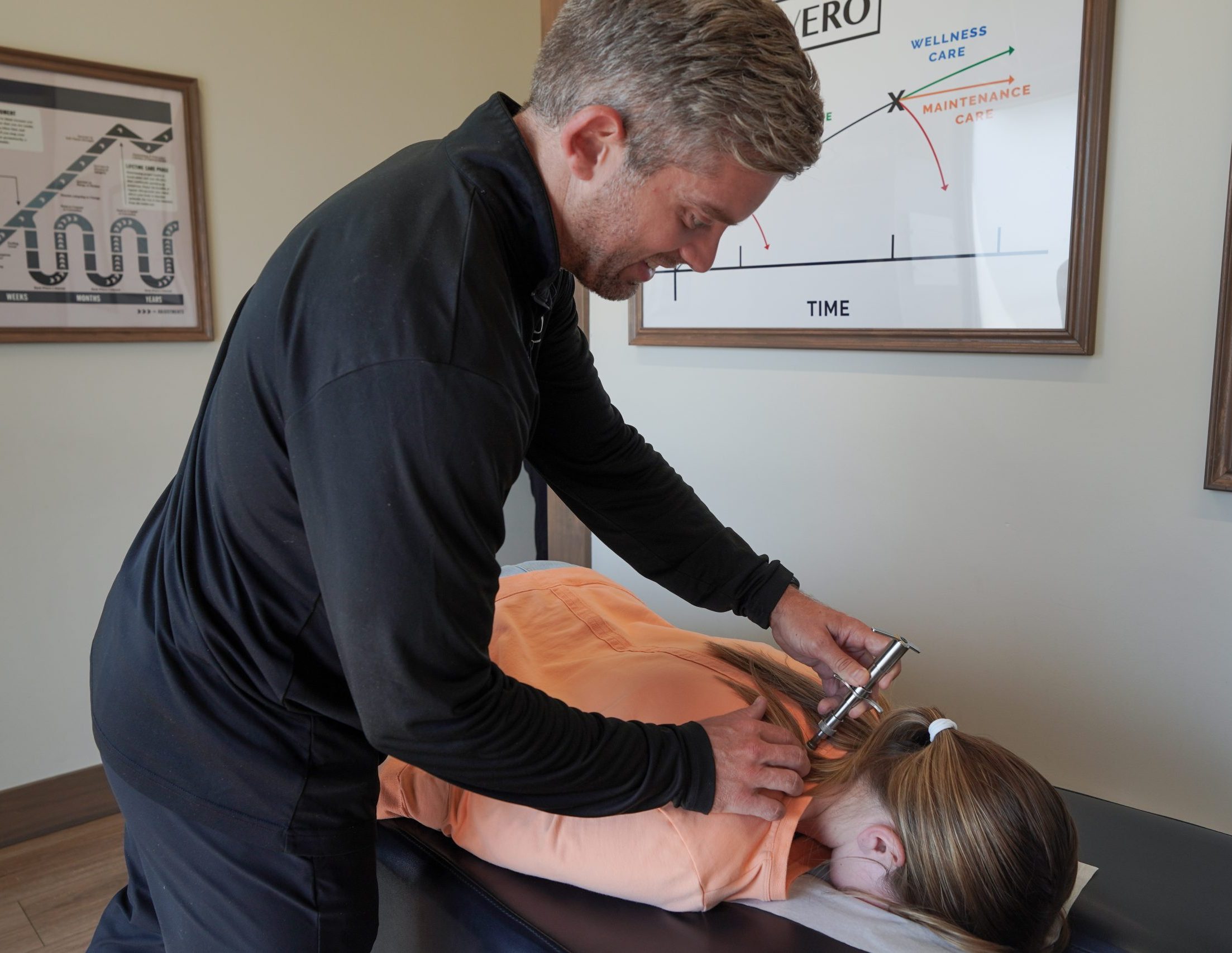
Targeted cervical adjustments restore motion to restricted joints, reduce pressure on irritated nerves, and allow surrounding muscles to release their protective guarding. Technique is adapted to each patient’s anatomy, symptoms, and comfort level.
Cervical Spinal Decompression
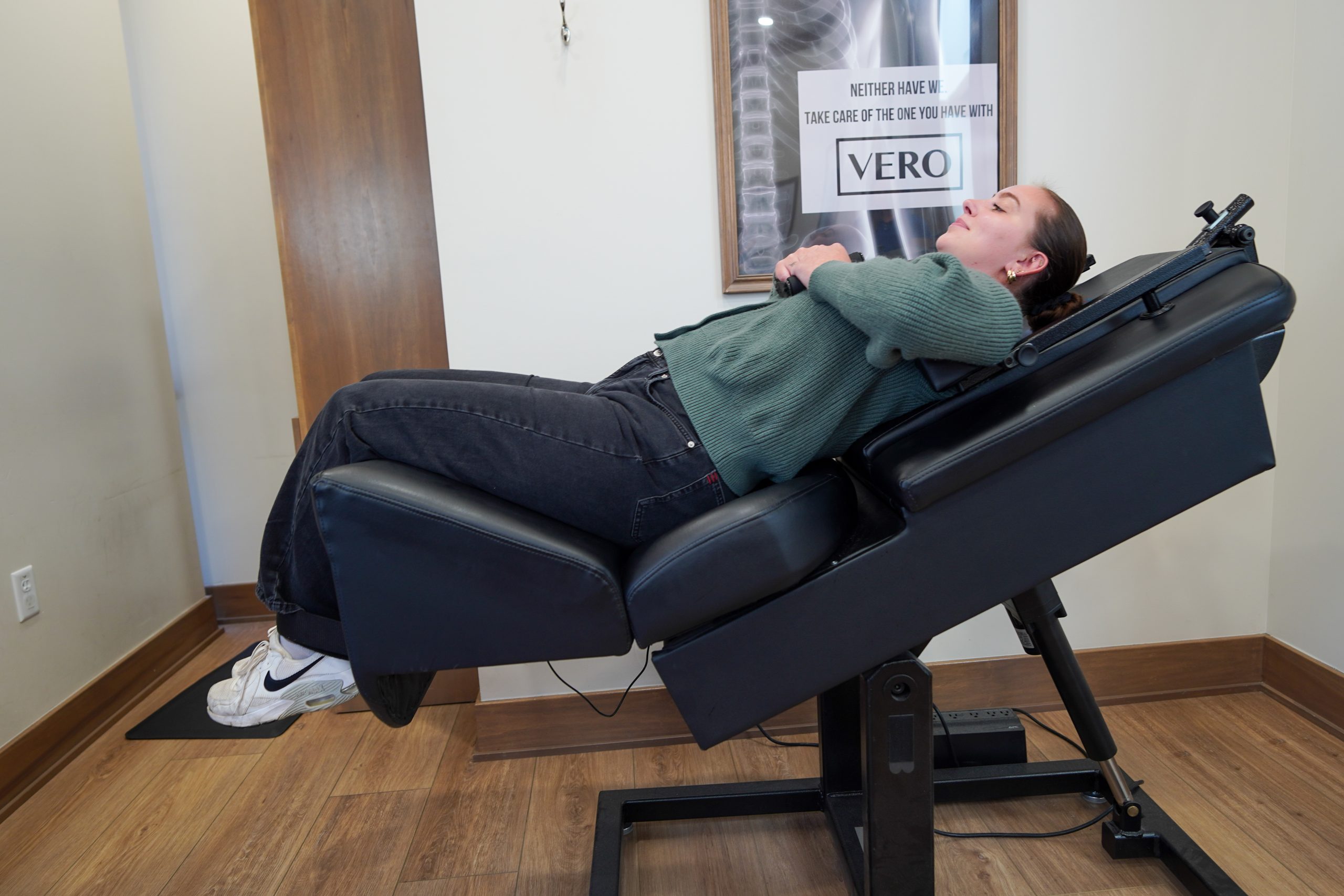
For patients with disc-related neck pain or cervical radiculopathy, spinal decompression creates gentle distraction that reduces intradiscal pressure and may relieve nerve root compression. It is used when the evaluation confirms disc involvement.
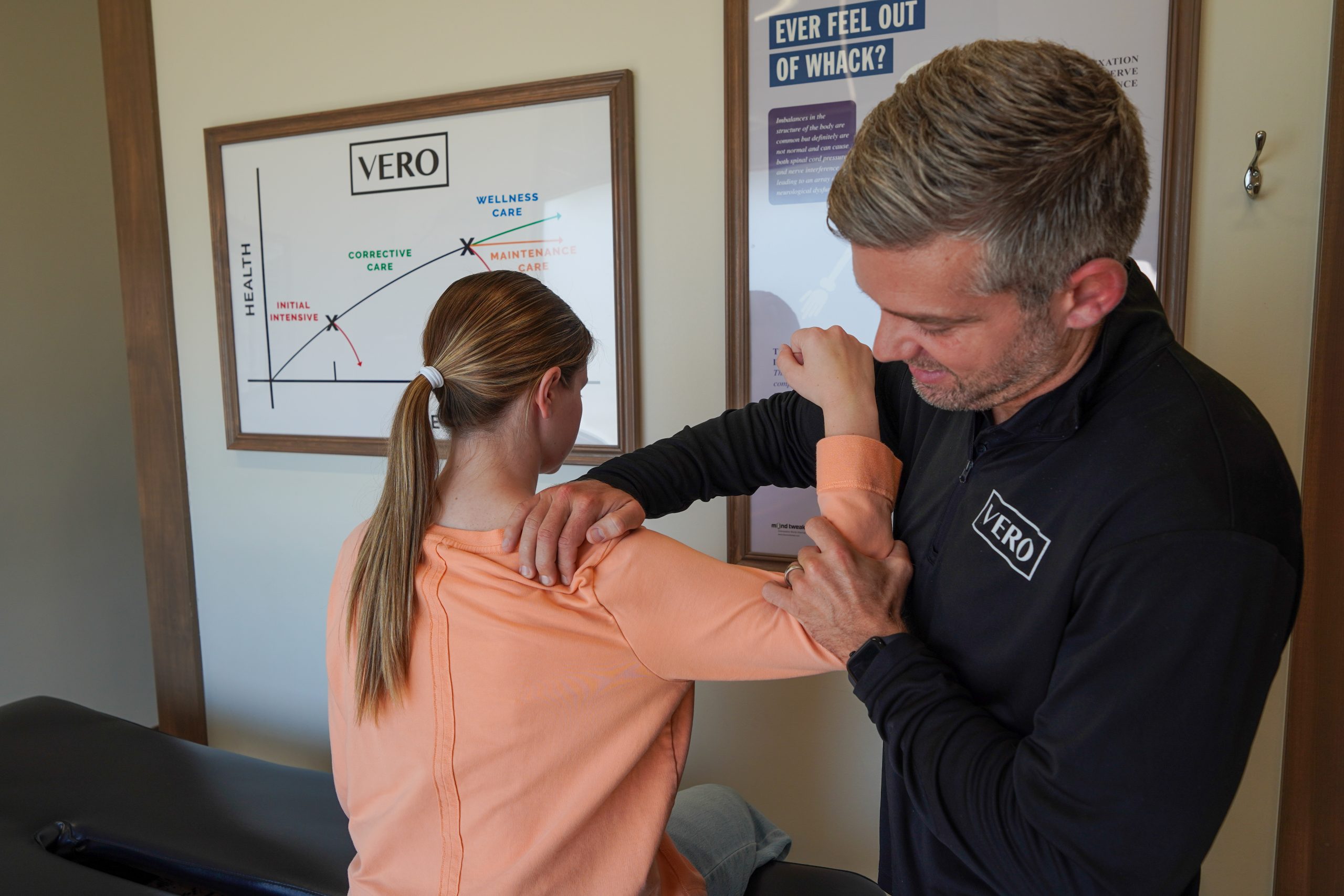
Postural Correction And Home Exercise Support
Home exercises targeting the cervical stabilizers and upper back muscles may help address the postural contributors to neck pain. Correcting how the head, neck, and upper back are positioned during daily activities supports the structural work done in the office and may reduce the mechanical stress that contributes to recurring symptoms.
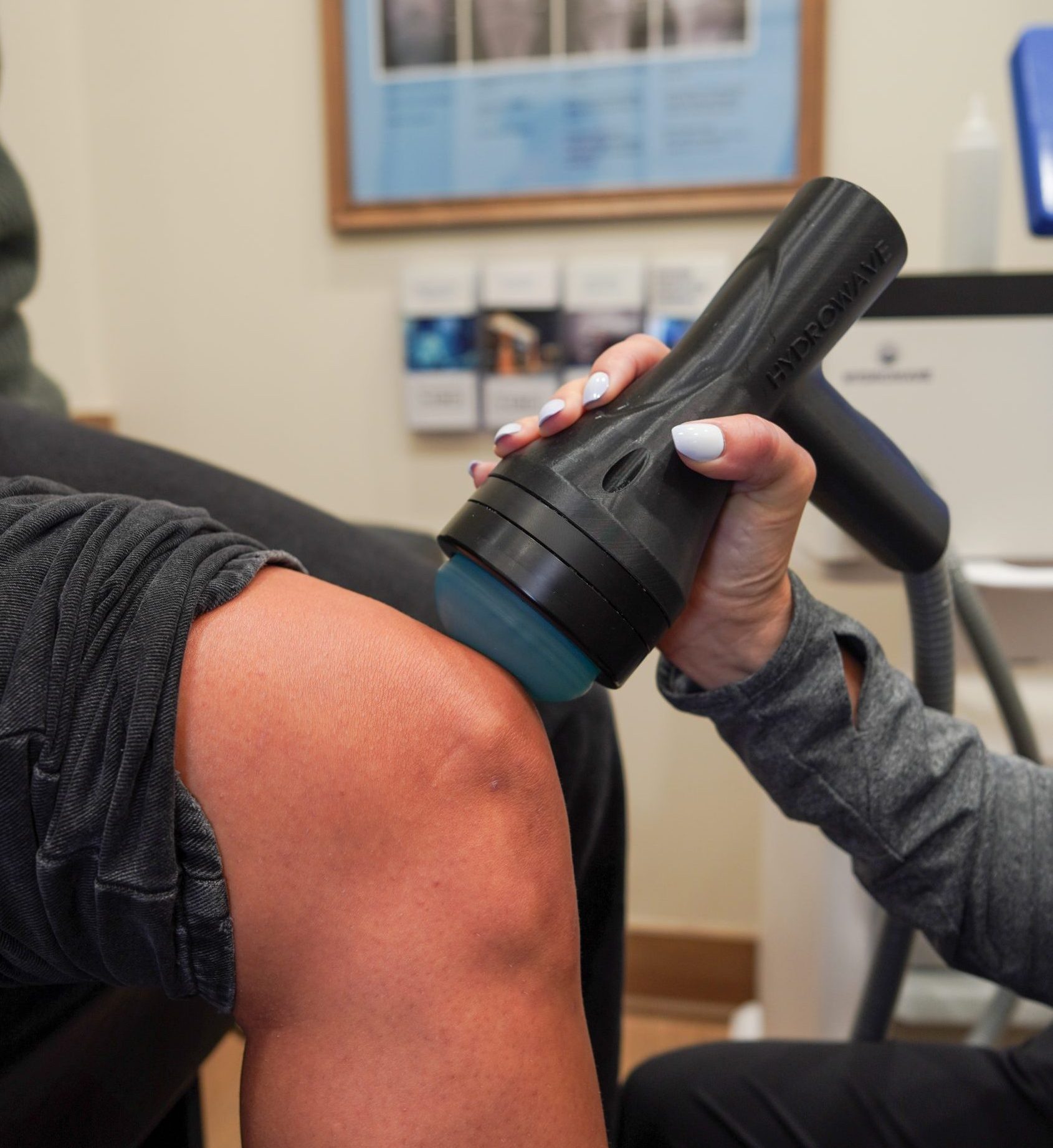
Shockwave Therapy For Chronic Muscle Involvement
For patients with chronic neck pain where soft tissue damage or persistent trigger points are a significant contributor, shockwave therapy may be incorporated into the care plan to support tissue repair alongside adjustments.
Why Early Treatment Matters For Neck Pain
Neck pain that is not addressed tends to worsen over time. As muscles compensate for restricted joint motion, postural changes become more pronounced, and the mechanical stress on discs and joints accumulates. What begins as occasional stiffness or soreness can progress to chronic pain, cervical degeneration, and nerve-related symptoms that take considerably longer to address. Early evaluation and care allow us to correct the underlying dysfunction before secondary changes become established.
Meet The Experts Behind Your Care
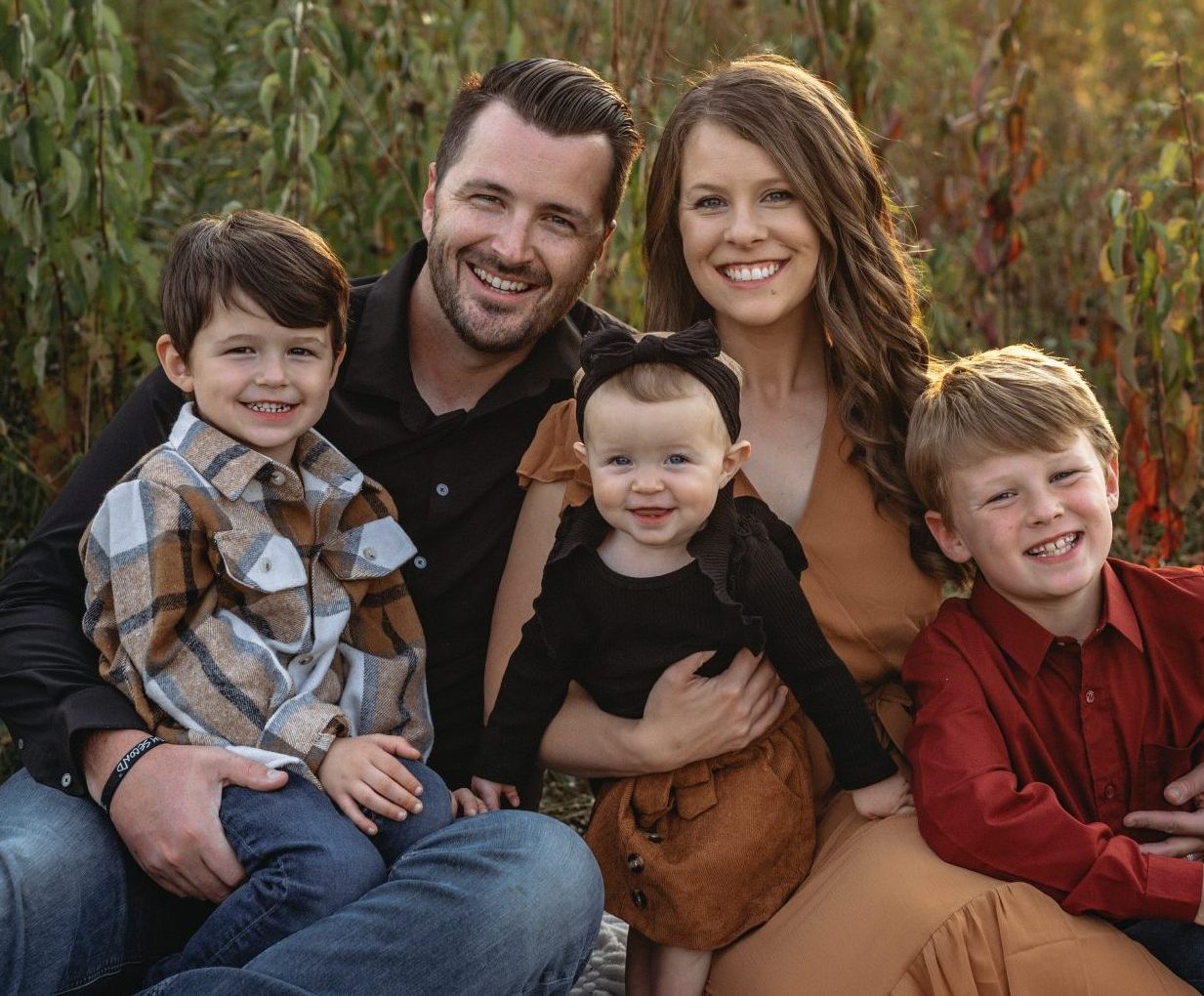
Dr. Josiah Fitzsimmons, D.C.
Dr. Josiah Fitzsimmons is originally from Ames, IA. He played college football at South Dakota State and graduated cum laude with a bachelor’s degree in Exercise Science and a master’s degree in Nutrition, Exercise and Food Sciences in a five-year span. He then attended the fountainhead, Palmer College of Chiropractic.

Dr. Logan Dabney, D.C.
Dr. Logan Dabney is originally from Centerville, IA. He attended Centerville High School, where he discovered his passion for health and science as a frequent visitor to his hometown chiropractor. He then attended the University of Northern Iowa, where he majored in Pre-Med/Chiropractic Biology, before completing his graduate studies at Palmer College of Chiropractic. During his time at Palmer, Dr. Logan was heavily involved in Torque Release Technique and earned Advanced Proficiency Certification in it.
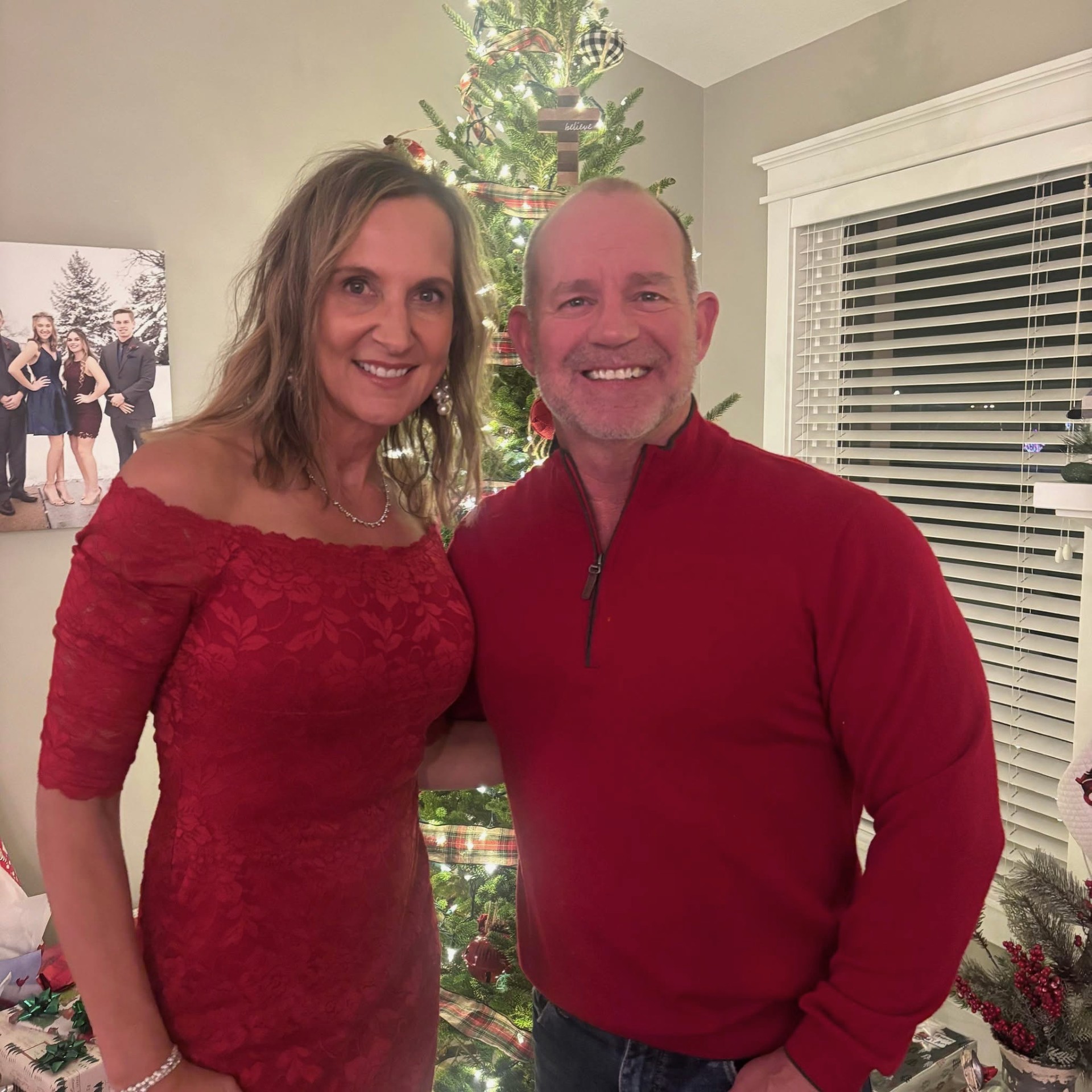
Dr. Scott Coyle, D.C.
Dr. E. Scott Coyle is originally from Waterloo, IA. He graduated from Pepperdine University with a Bachelor of Science degree in Sports Medicine and then attended Palmer College of Chiropractic-West. After practicing in California for several years, he returned to Knoxville, IA, in 1997, where he practiced until 2016. Dr. Coyle then worked in robotic spine and brain surgery for two years with Mazor Robotics, and practiced in Lawrence, KS, for two years before returning home to join the Vero Health Center team. He works with patients dealing with chronic neck, mid-back, and low-back pain, headaches, and arthritis-related discomfort.
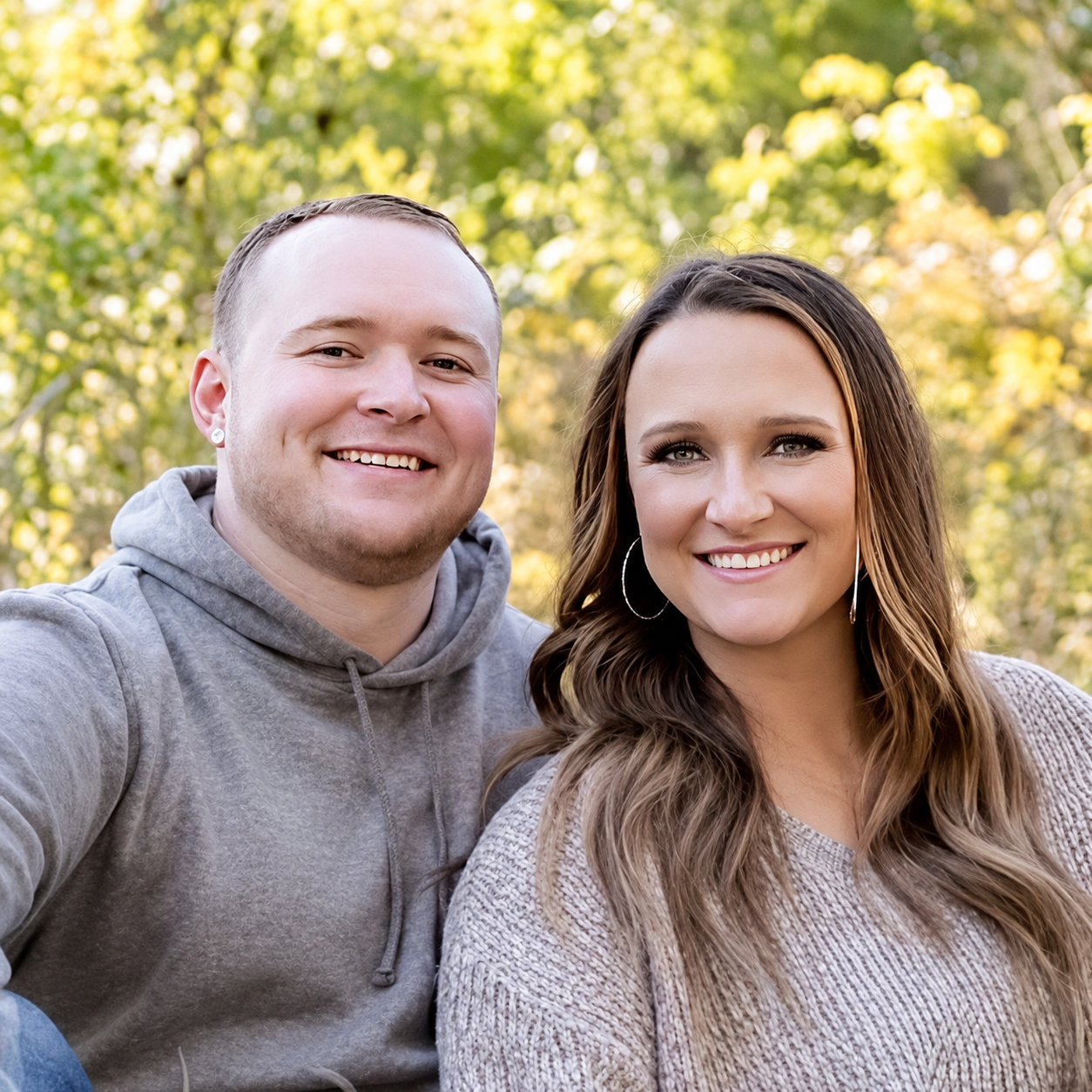
Dr. Austin Seitsinger, D.C.
Dr. Austin Seitsinger is originally from Sumner, Iowa. He studied Biology at the University of Northern Iowa, and then attended Palmer College of Chiropractic. He chose to pursue chiropractic at a young age as he has always had a passion for helping others.

Dr. Nate Halverson, D.C.
Dr. Nate Halverson is originally from Fort Dodge, IA, where he was a multi-sport athlete at Fort Dodge Senior High and placed 5th at the Iowa High School wrestling tournament. He found his passion for holistic health care through his background in athletics. After receiving his Bachelor’s degree in Biology from the University of Northern Iowa, he graduated with honors from Palmer College of Chiropractic in Davenport, IA, in 2015. He then worked as the lead chiropractor for a chiropractic and sports injury practice in Chicago before moving back to the Des Moines area with his wife, Leah, to be closer to family. They welcomed their daughter, Hayes, in April 2022 and their son, Steele, in June 2024.

Dr. Colby Nelson, D.C.
Dr. Colby Nelson is originally from Audubon, Iowa. He attended Iowa State University, where he received his Bachelor of Science degree in Psychology, and then attended Palmer College of Chiropractic in Davenport, where he received his Doctorate of Chiropractic degree. During his time at Palmer, he was a leader of the Sports Injury Club and participated in a clinic abroad program in Brazil. Before joining the team at Vero, Dr. Colby operated his own chiropractic clinic for 12 years.

Dr. Taylor Vanden Wynboom, D.C.
Dr. Taylor Vanden Wynboom is originally from Britt, IA. He received his BS degree from Central College and his Doctorate degree from Palmer College of Chiropractic. Before joining the team at Vero Health Center, he owned his own practice in both Ames and Ankeny. In his free time, he enjoys coaching football, exercising, and spending time with his wife Amanda and their four kids, Tate, Harper, Holland, and Harlow.

Dr. Darrius Poe, D.C.
Dr. Darrius Poe is originally from Fort Dodge, Iowa. He attended the University of Northern Iowa where he earned a bachelor’s degree in exercise science. While in undergrad, he discovered his passion for chiropractic after being treated for a sports injury in a chiropractic clinic. Not only did the chiropractic treatments help with his shoulder injury, he was also educated on the intricacies of the central nervous system and how chiropractic care can help the body heal and function better as a whole. Dr. Darrius’ experience as a chiropractic patient motivated him to pursue a career in chiropractic. He attended Palmer College of Chiropractic in Davenport, IA, where he received his doctorate in 2018. Prior to joining the Vero team, Dr. Darrius served as an associate and clinic director for six years in the Des Moines metro area.

Dr. Toby Thepsoumphone, D.C.
Dr. Toby Thepsoumphone is originally from Smyrna, Delaware. He graduated from the University of Delaware with a Bachelor of Science in Exercise Science with a concentration in Exercise Physiology. He then pursued a doctorate degree in chiropractic and graduated from Palmer College of Chiropractic in Davenport. Dr. Toby also attended Harris School of Business in Dover, Delaware, where he earned a degree in Massage Therapy. He has worked as a Licensed Massage Therapist since 2016. He specializes in sports massage, deep tissue, and gua sha. His passion is to help others to achieve optimal health and wellness. He has certifications in the Webster’s Technique and acupuncture.

Dr. Scott Jacobson, D.C.
Dr. Scott Jacobson grew up in Cherokee, Iowa, and has spent more than 17 years in practice across Iowa, Minnesota, Texas, California, and South America. While living in South America, he helped grow a clinic into one of the largest on the continent and became bilingual in Spanish along the way. He is Board Certified in Neuropathy (BCN) through the American College of Physical Medicine (ACoPM) and previously served in the United States Air Force and worked with the Department of Defense. Dr. Scott Jacobson has also been a black belt in Taekwondo for 40 years. He and his wife have two sons—so apparently he enjoys a challenge both professionally and at home.
Serving West Des Moines And Nearby Iowa Communities
Vero Health Center is located at 630 S 50th St in West Des Moines, Iowa, and serves patients from West Des Moines, Clive, Windsor Heights, Urbandale, Des Moines, Johnston, Norwalk, Waukee, Grimes, Saylorville, Van Meter, Pleasant Hill, Ankeny, Dallas Center, Granger, Polk City, De Soto, Carlisle, Adel, Altoona, Bondurant, Indianola, Cumming, and the surrounding area.
Sources And Clinical References
Frequently Asked Questions
Can a chiropractor help with neck pain caused by a car accident?
Yes. Neck pain resulting from whiplash and other motor vehicle accidents is one of the most common presentations we evaluate. Accident-related cervical injuries often involve multiple structures simultaneously. Early evaluation is important because symptoms can worsen in the days and weeks following an accident if dysfunction is not addressed.
Is it safe to have my neck adjusted?
Cervical adjustments are considered safe when performed by a trained chiropractor using appropriate technique for the patient’s presentation. We perform a thorough evaluation before recommending any cervical adjustment and adapt the technique based on each patient’s anatomy and comfort.
Can neck pain cause headaches?
Yes. Cervicogenic headaches originate in the cervical spine and are driven by referred pain from the upper cervical joints, muscles, and nerve roots. They are often felt at the base of the skull and radiate into the head. Treating the underlying neck dysfunction often reduces this type of headache.
How long will it take for my neck pain to get better?
It depends on how long you have had the problem, what is causing it, and how your body responds to care. We will give you a clear timeline after your evaluation based on what we find, not a generic estimate.
My neck pain comes and goes. Should I still come in even when I feel better?
Yes. Recurring neck pain is a sign that the underlying structural cause is still present. Evaluating and addressing it during a pain-free period is often more effective than waiting for the next acute episode.
Helpful Articles

The Source:A Vero Health Center Newsletter – Volume 107
The Source: A Vero Health Center Newsletter - Volume 107 A Vero Health Center Newsletter - Volume 107 Voting is open for CityView’s Best of Des Moines 2027, and we’d...
Read This ArticleBook Neck Pain Treatment in West Des Moines
Neck pain that keeps coming back, limits your movement, or radiates into your arms deserves a proper evaluation, not another round of managing how it feels. Vero Health Center identifies the structural cause of your neck pain and builds care around your specific findings. Contact us to schedule your visit.