

Back Pain Treatment In West Des Moines, IA
Content Reviewed by: Dr. Josiah Fitzsimmons, DC, BCN on November 10, 2026
Iowa Chiropractic License #085940 (NPI: 1568993574)
Back Pain Treatment At A Glance
Back pain is one of the most common reasons people seek chiropractic care in West Des Moines. Whether it develops from years at a desk, a lifting injury, a car accident, or a structural condition that has gone unaddressed, back pain can limit your ability to work, sleep, and live fully.
At Vero Health Center, we do not start by treating the location where you feel pain. We start by identifying what is causing it. Our evaluation uses four diagnostic technologies to assess spinal mechanics, nerve function, and postural patterns before care begins. That means your plan is built around what is actually happening in your spine, not a best guess.
Chiropractic adjustments, spinal decompression, and targeted rehabilitation can each play a role in back pain recovery depending on what the evaluation reveals. Many of our patients in West Des Moines and surrounding communities begin to experience meaningful improvement within their first weeks of care.
What Is Back Pain?
Back pain refers to discomfort or dysfunction affecting the muscles, joints, ligaments, nerves, or discs of the spine. The lower back, or lumbar spine, is most commonly affected because it bears the greatest mechanical load during daily activity. The mid-back and upper thoracic spine can also be involved, particularly in patients with postural or occupational contributors.
The spine consists of vertebrae, intervertebral discs, facet joints, ligaments, and the surrounding muscles that work together to maintain stability and allow movement. When one or more of these structures become irritated, compressed, or damaged, pain can develop in the area or be referred to a different location entirely.
Nerve involvement may occur when inflammation, disc changes, or joint dysfunction places pressure on spinal nerves. This is what produces radiating pain, tingling, or numbness into the hips, buttocks, or legs, sometimes described as sciatica.
Back pain ranges from an acute episode that resolves within days to a chronic pattern that persists for months or years. The evaluation at Vero Health Center is designed to identify which structures are involved and what type of care addresses the actual cause.

Common Symptoms Of Back Pain
Back pain presents differently depending on what is driving it. Symptoms can develop suddenly after an injury or build gradually over weeks and months without an obvious triggering event.
The most common symptoms include localized aching or sharp pain in the lower or mid-back, muscle tightness or spasm, stiffness that makes it difficult to stand up straight, and pain that worsens with prolonged sitting, bending, or lifting. Some patients also experience radiating pain, tingling, or numbness that travels into the buttock, hip, or leg.
Back pain often follows recognizable patterns. Pain may be worse in the morning when stiffness is most noticeable, after sitting for long periods, or following physical activity. Some patients find that movement and walking offer temporary relief, while sustained postures or heavy loads make symptoms worse.
Back pain also affects how you function outside the clinic. Patients commonly report disrupted sleep, difficulty concentrating at work, inability to exercise or pursue hobbies, and frustration with simple daily tasks like bending to tie a shoe or picking up a child. Those functional impacts are often the primary reason patients seek care.
What Causes Back Pain?
Back pain can develop for many reasons, but most cases are related to mechanical stress placed on spinal structures over time, compounded by posture, occupation, or prior injury.
Muscle imbalance is one of the most common contributors. When certain muscles become overactive or shortened while others weaken, the resulting imbalance places abnormal strain on spinal joints and discs. This pattern develops gradually and is often not painful until a threshold is crossed.
Disc irritation and herniation occur when the cushioning disc between vertebrae is damaged or displaced. This can happen from a single injury or from accumulated mechanical stress. Disc involvement often produces both local and radiating symptoms.
Joint dysfunction in the facet joints of the spine reduces normal spinal motion and triggers pain and muscle guarding. Facet-related back pain is often described as a sharp, localized pain that worsens with extension or rotation.
Poor posture and prolonged sitting create sustained loading on the lumbar spine that over time can produce disc and joint changes. Patients who sit for most of their workday are at elevated risk for this pattern.

Conditions That Can Mimic Back Pain
Several conditions produce symptoms that resemble typical mechanical back pain but require different evaluation and care. Accurate diagnosis is important so treatment addresses the actual source.
A herniated disc causes pressure on spinal nerve roots that can produce pain, tingling, and weakness in the legs in addition to or instead of back pain. Sciatica is one of the most common presentations of disc-related nerve compression in the lumbar spine.
Sacroiliac joint dysfunction affects the joint where the pelvis meets the sacrum and produces pain in the lower back and buttock that is frequently mistaken for lumbar disc or facet pain. Hip joint degeneration or labral tears can similarly produce low back and buttock symptoms. Because these conditions require different approaches, a detailed clinical evaluation is the right starting point.
When To Seek Urgent Care For Back Pain
Most back pain responds well to conservative care, but some presentations require immediate medical attention. Seek urgent care if back pain is accompanied by loss of bladder or bowel control, sudden weakness in one or both legs, numbness in the groin or inner thighs, unexplained fever, significant weight loss without dieting, or pain that follows a high-impact fall, accident, or trauma. These symptoms can indicate a serious medical condition that requires evaluation beyond chiropractic care.
What Our Patients Are Saying


How We Diagnose Back Pain At Vero Health Center
Diagnosing back pain at Vero Health Center begins with a comprehensive evaluation that goes beyond a report of where you feel pain.
We assess posture and spinal alignment using postural analysis to identify patterns that may be loading certain structures disproportionately. Spinal motion testing reveals where normal movement has been lost and where compensation is occurring. Neurological scanning measures nerve function along the spine and identifies areas of interference.
Orthopedic and neurological tests assess nerve root involvement, disc irritation, and sacroiliac joint function. Palpation of spinal structures identifies areas of muscle tension, restricted joint motion, and inflammation. When appropriate, we review any existing imaging and may refer for X-rays or other diagnostics to confirm suspected findings.
How Vero Health Center Treats Back Pain
Back pain treatment at Vero Health Center focuses on improving spinal motion, reducing nerve irritation, supporting disc and joint function, and helping patients build the stability needed to reduce recurrence. The specific services involved depend on what the evaluation reveals.

Chiropractic Adjustments
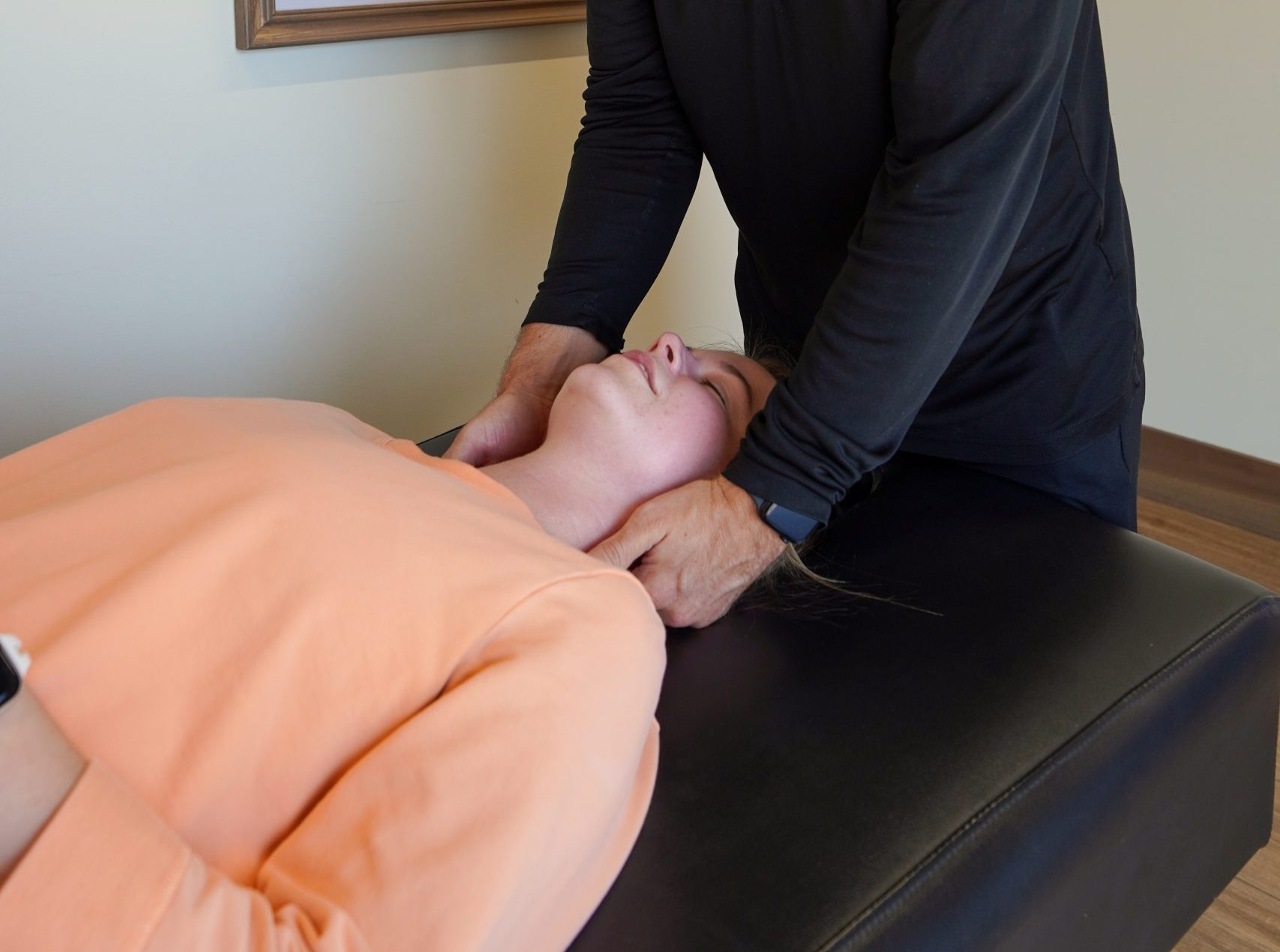
Targeted chiropractic adjustments help restore normal motion to restricted spinal joints, reduce mechanical irritation, and improve how the spine moves. Technique and force are adapted to each patient’s anatomy, diagnosis, comfort level, and phase of care.
Spinal Decompression Therapy
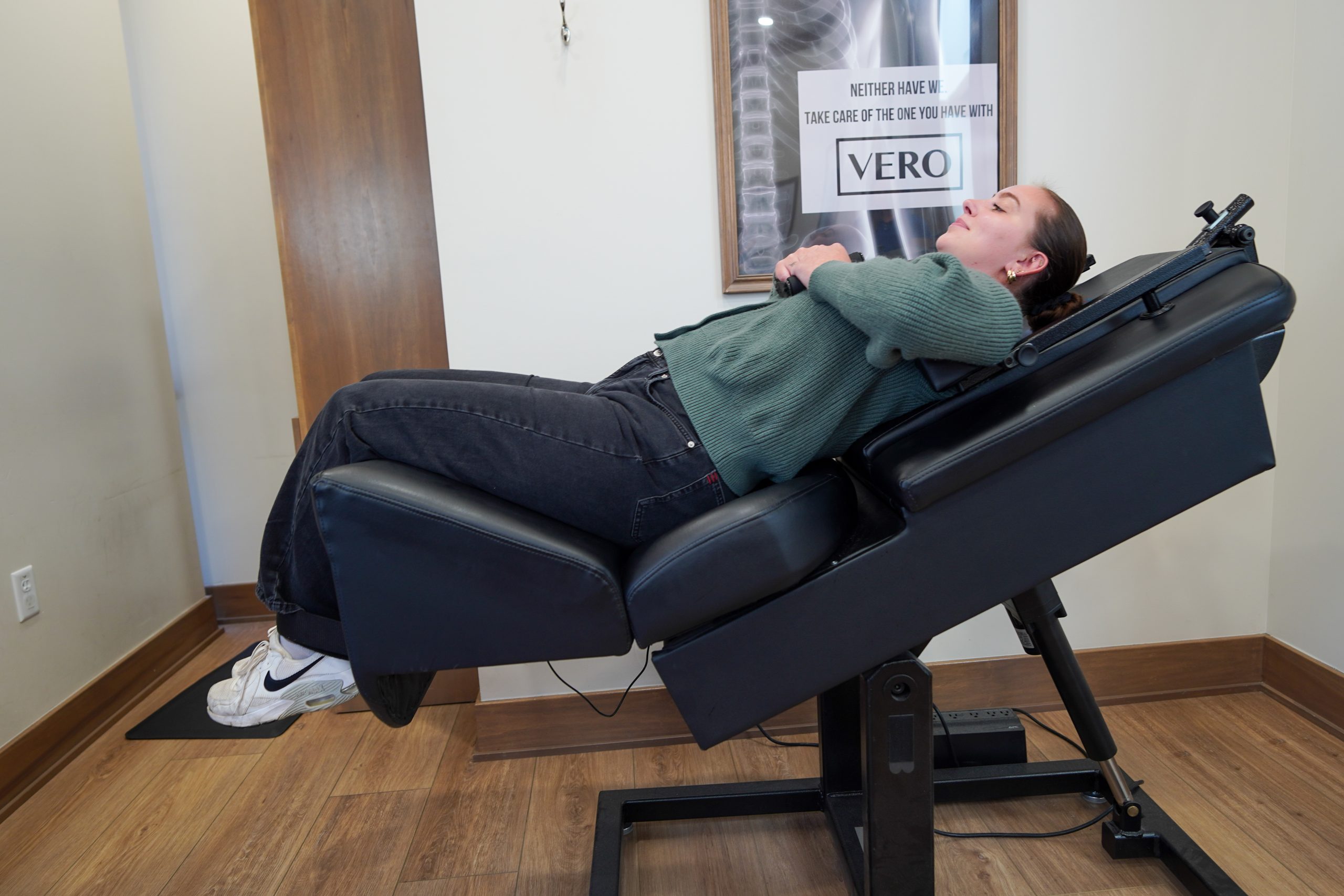
For patients with disc-related back pain, spinal decompression therapy may be recommended when the evaluation confirms disc involvement and the patient is a clinical candidate. Decompression is used to reduce pressure on irritated spinal structures and may be appropriate for certain cases involving disc bulges, disc herniations, sciatica, radiating pain, numbness, or tingling.
Shockwave Therapy
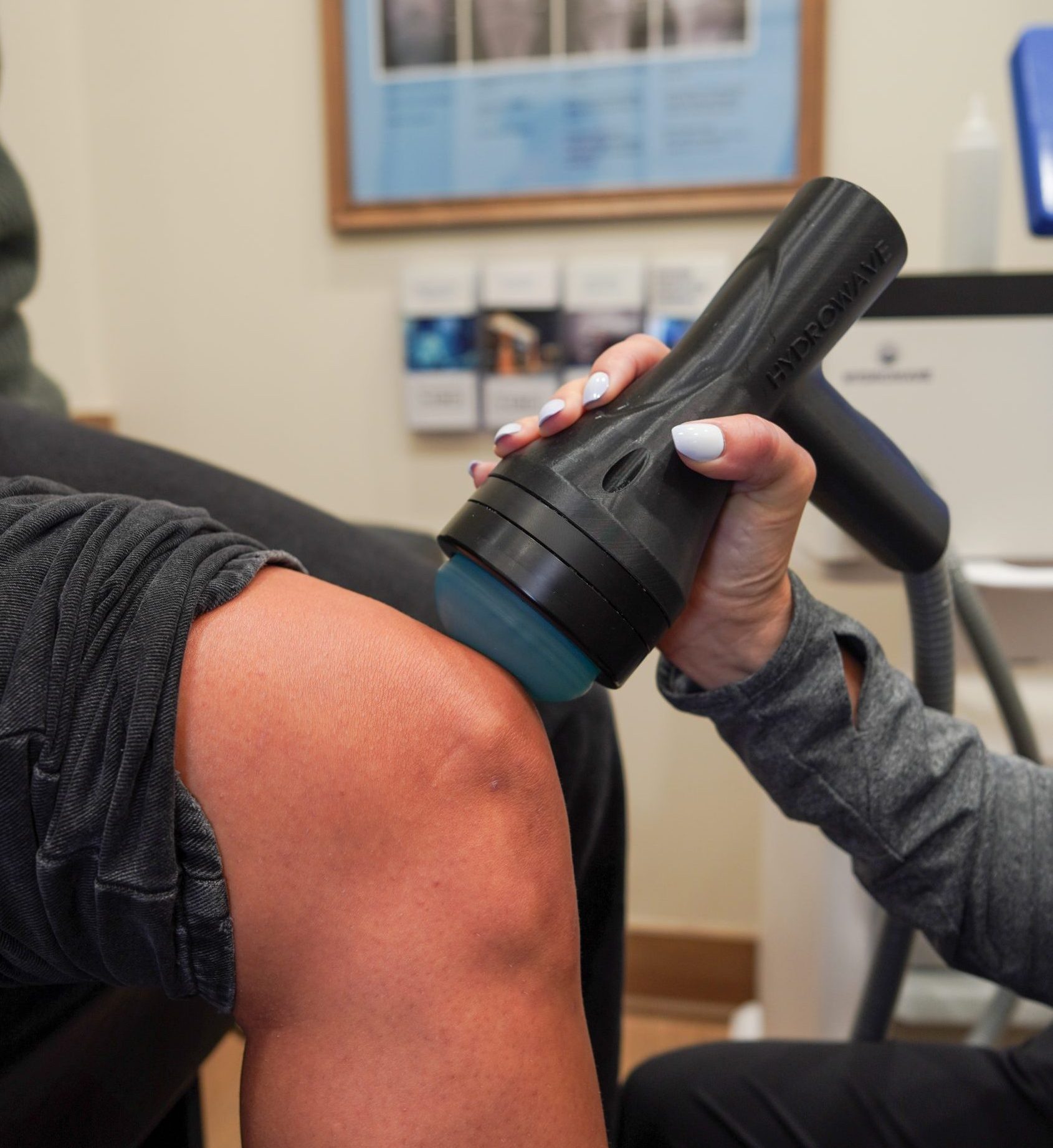
Shockwave therapy may be used when chronic muscle tension, ligament irritation, tendon involvement, joint irritation, or lingering inflammation is contributing to back pain. SoftWave therapy uses acoustic wave energy to support the body’s natural repair response in targeted areas when the evaluation shows that local tissue support is appropriate.

Home Exercise Support For Core Stability
When appropriate, Vero Health Center may recommend targeted home exercises to support muscle rehab, improve core stability, and address movement patterns that contribute to back pain. These exercises help patients continue supporting their recovery outside the office and reduce the mechanical stress that can contribute to recurring symptoms.
Why Early Treatment Matters For Back Pain
Back pain that is addressed early is easier to resolve. When joint dysfunction or disc irritation is left unaddressed, surrounding muscles develop compensatory patterns that reinforce the problem. Inflammation can spread to adjacent structures, and what began as an acute episode can become a chronic cycle that is harder to correct. Early care restores normal spinal motion before those secondary changes become established, which typically means fewer sessions and more durable results.
Meet The Experts Behind Your Care
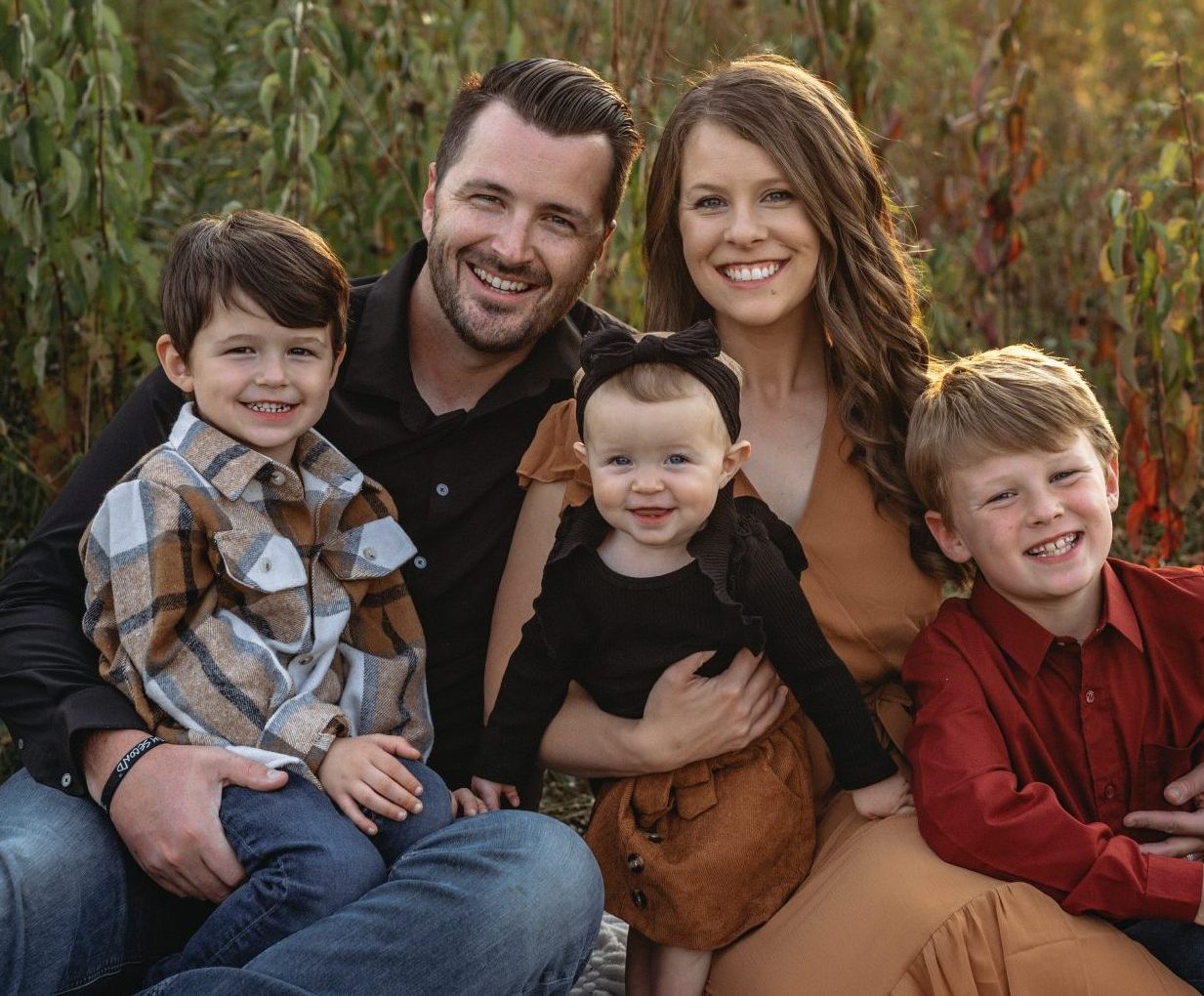
Dr. Josiah Fitzsimmons, D.C.
Dr. Josiah Fitzsimmons is originally from Ames, IA. He played college football at South Dakota State and graduated cum laude with a bachelor’s degree in Exercise Science and a master’s degree in Nutrition, Exercise and Food Sciences in a five-year span. He then attended the fountainhead, Palmer College of Chiropractic.

Dr. Logan Dabney, D.C.
Dr. Logan Dabney is originally from Centerville, IA. He attended Centerville High School, where he discovered his passion for health and science as a frequent visitor to his hometown chiropractor. He then attended the University of Northern Iowa, where he majored in Pre-Med/Chiropractic Biology, before completing his graduate studies at Palmer College of Chiropractic. During his time at Palmer, Dr. Logan was heavily involved in Torque Release Technique and earned Advanced Proficiency Certification in it.
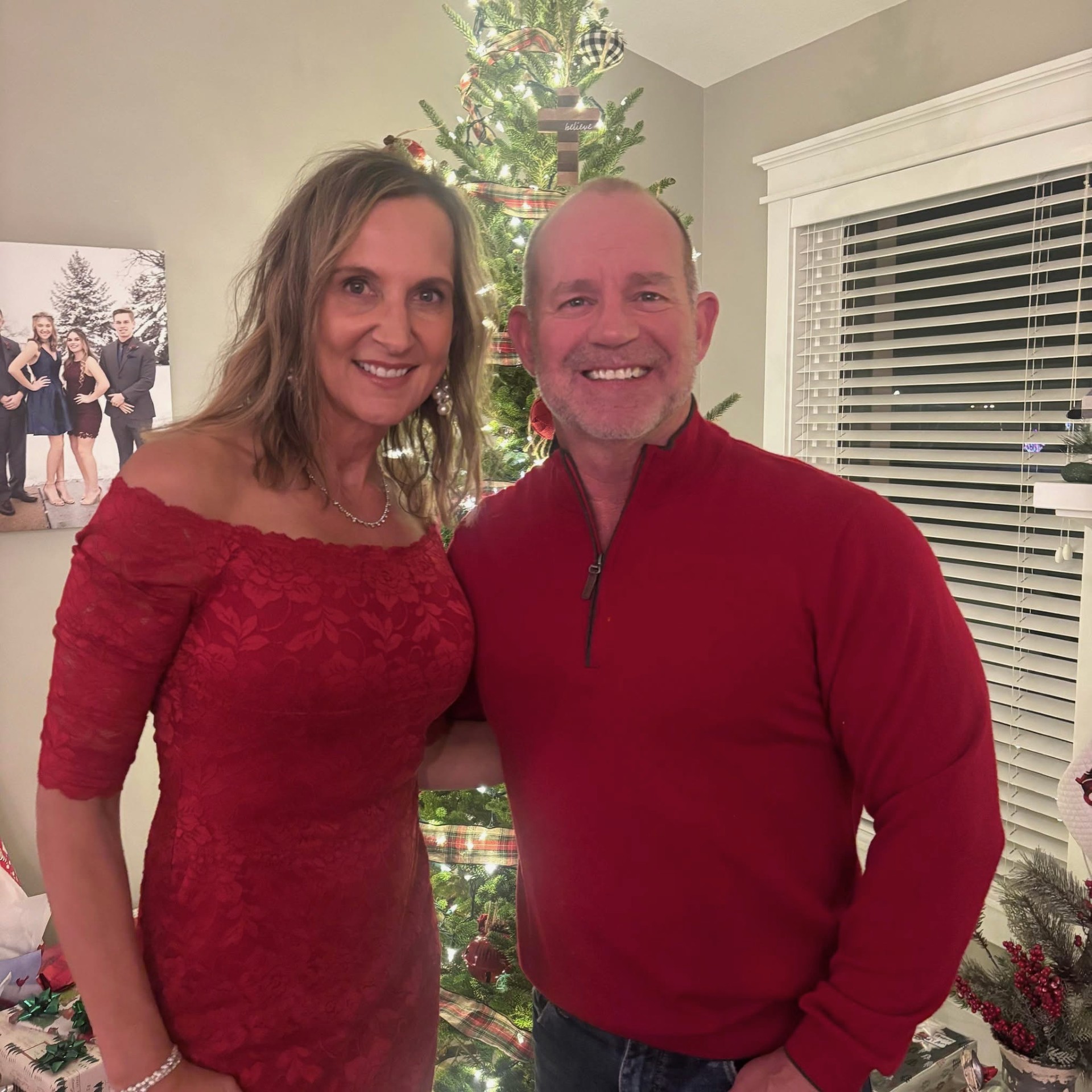
Dr. Scott Coyle, D.C.
Dr. E. Scott Coyle is originally from Waterloo, IA. He graduated from Pepperdine University with a Bachelor of Science degree in Sports Medicine and then attended Palmer College of Chiropractic-West. After practicing in California for several years, he returned to Knoxville, IA, in 1997, where he practiced until 2016. Dr. Coyle then worked in robotic spine and brain surgery for two years with Mazor Robotics, and practiced in Lawrence, KS, for two years before returning home to join the Vero Health Center team. He works with patients dealing with chronic neck, mid-back, and low-back pain, headaches, and arthritis-related discomfort.
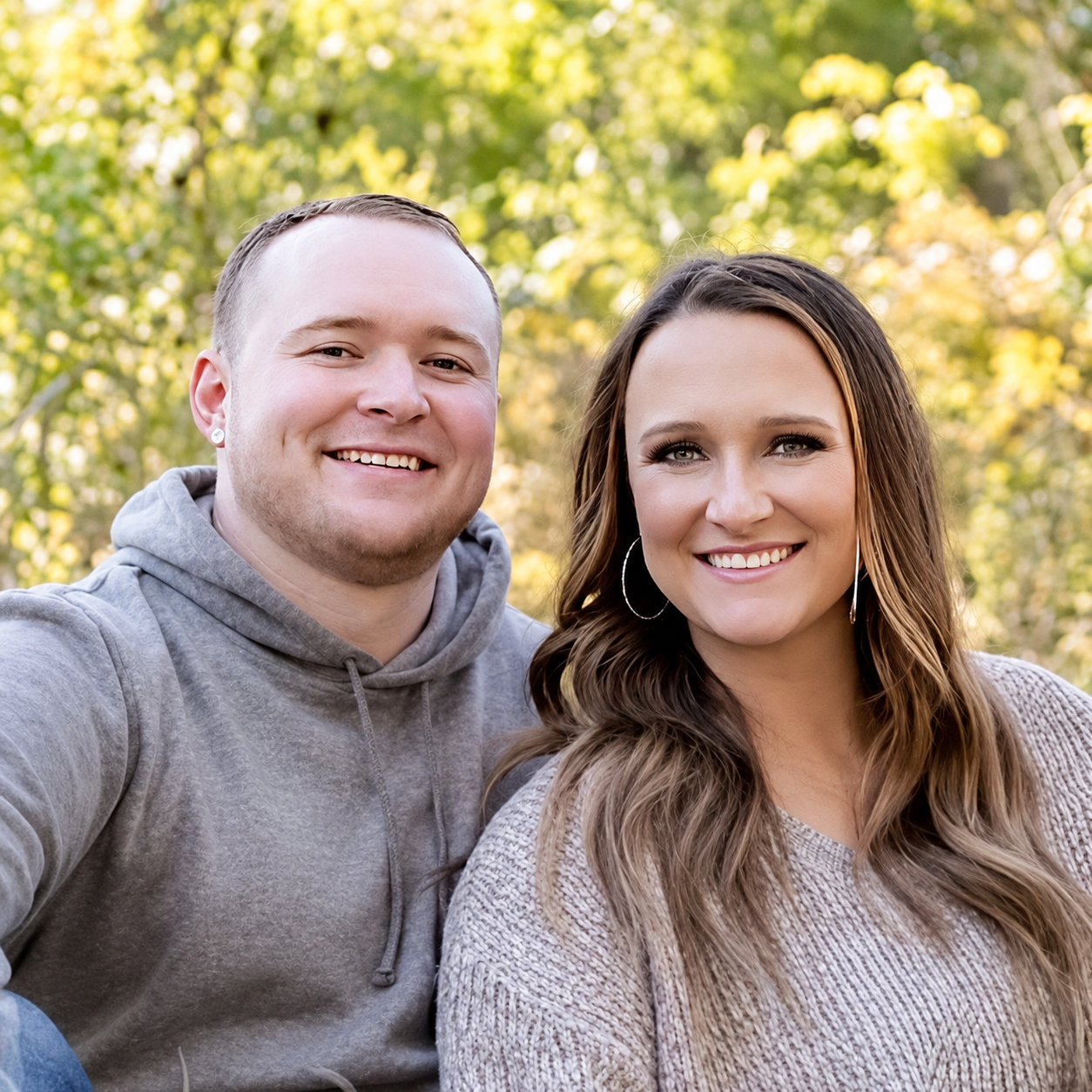
Dr. Austin Seitsinger, D.C.
Dr. Austin Seitsinger is originally from Sumner, Iowa. He studied Biology at the University of Northern Iowa, and then attended Palmer College of Chiropractic. He chose to pursue chiropractic at a young age as he has always had a passion for helping others.

Dr. Nate Halverson, D.C.
Dr. Nate Halverson is originally from Fort Dodge, IA, where he was a multi-sport athlete at Fort Dodge Senior High and placed 5th at the Iowa High School wrestling tournament. He found his passion for holistic health care through his background in athletics. After receiving his Bachelor’s degree in Biology from the University of Northern Iowa, he graduated with honors from Palmer College of Chiropractic in Davenport, IA, in 2015. He then worked as the lead chiropractor for a chiropractic and sports injury practice in Chicago before moving back to the Des Moines area with his wife, Leah, to be closer to family. They welcomed their daughter, Hayes, in April 2022 and their son, Steele, in June 2024.

Dr. Colby Nelson, D.C.
Dr. Colby Nelson is originally from Audubon, Iowa. He attended Iowa State University, where he received his Bachelor of Science degree in Psychology, and then attended Palmer College of Chiropractic in Davenport, where he received his Doctorate of Chiropractic degree. During his time at Palmer, he was a leader of the Sports Injury Club and participated in a clinic abroad program in Brazil. Before joining the team at Vero, Dr. Colby operated his own chiropractic clinic for 12 years.
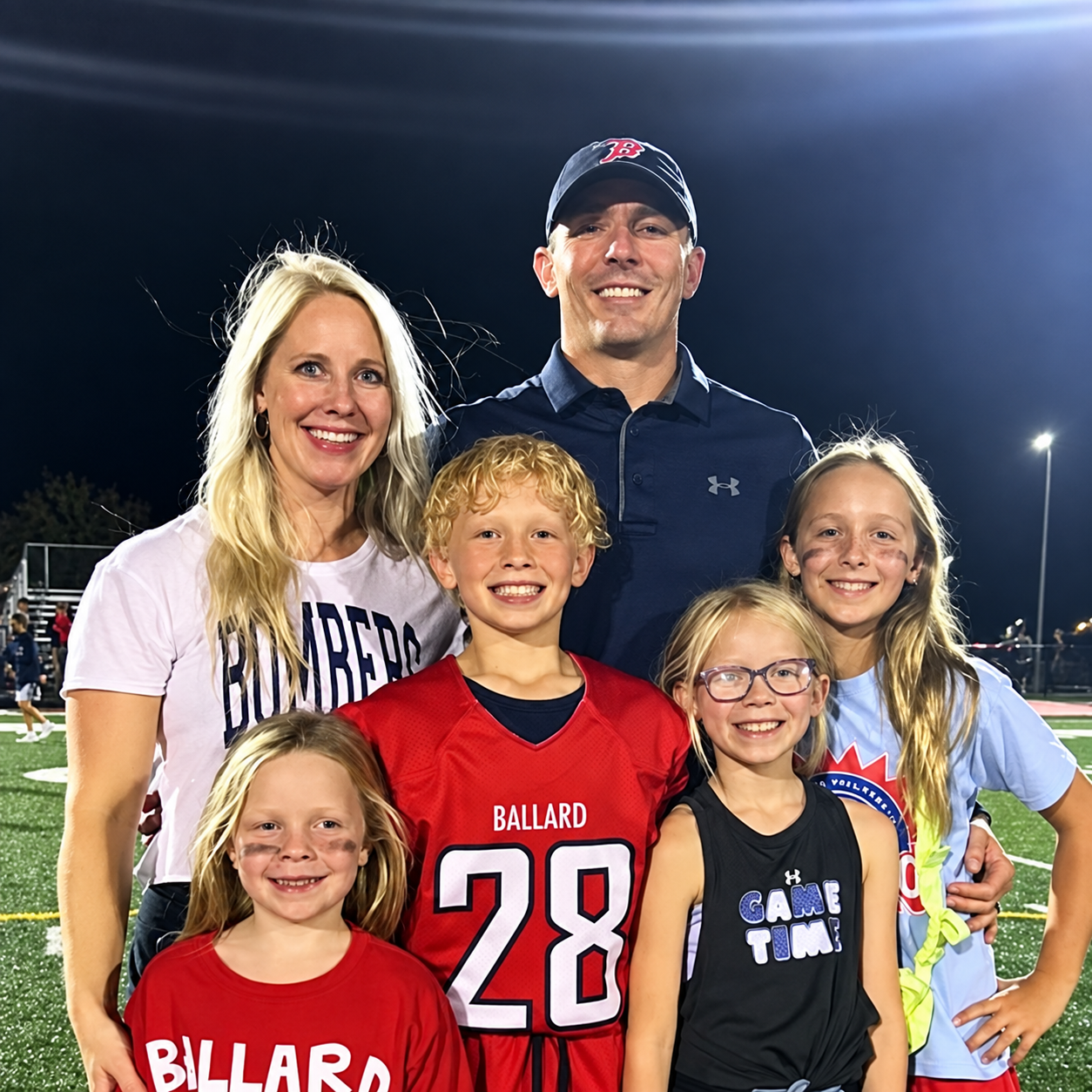
Dr. Taylor Vanden Wynboom, D.C.
Dr. Taylor Vanden Wynboom is originally from Britt, IA. He received his BS degree from Central College and his Doctorate degree from Palmer College of Chiropractic. Before joining the team at Vero Health Center, he owned his own practice in both Ames and Ankeny. In his free time, he enjoys coaching football, exercising, and spending time with his wife Amanda and their four kids, Tate, Harper, Holland, and Harlow.

Dr. Darrius Poe, D.C.
Dr. Darrius Poe is originally from Fort Dodge, Iowa. He attended the University of Northern Iowa where he earned a bachelor’s degree in exercise science. While in undergrad, he discovered his passion for chiropractic after being treated for a sports injury in a chiropractic clinic. Not only did the chiropractic treatments help with his shoulder injury, he was also educated on the intricacies of the central nervous system and how chiropractic care can help the body heal and function better as a whole. Dr. Darrius’ experience as a chiropractic patient motivated him to pursue a career in chiropractic. He attended Palmer College of Chiropractic in Davenport, IA, where he received his doctorate in 2018. Prior to joining the Vero team, Dr. Darrius served as an associate and clinic director for six years in the Des Moines metro area.

Dr. Toby Thepsoumphone, D.C.
Dr. Toby Thepsoumphone is originally from Smyrna, Delaware. He graduated from the University of Delaware with a Bachelor of Science in Exercise Science with a concentration in Exercise Physiology. He then pursued a doctorate degree in chiropractic and graduated from Palmer College of Chiropractic in Davenport. Dr. Toby also attended Harris School of Business in Dover, Delaware, where he earned a degree in Massage Therapy. He has worked as a Licensed Massage Therapist since 2016. He specializes in sports massage, deep tissue, and gua sha. His passion is to help others to achieve optimal health and wellness. He has certifications in the Webster’s Technique and acupuncture.

Dr. Scott Jacobson, D.C.
Dr. Scott Jacobson grew up in Cherokee, Iowa, and has spent more than 17 years in practice across Iowa, Minnesota, Texas, California, and South America. While living in South America, he helped grow a clinic into one of the largest on the continent and became bilingual in Spanish along the way. He is Board Certified in Neuropathy (BCN) through the American College of Physical Medicine (ACoPM) and previously served in the United States Air Force and worked with the Department of Defense. Dr. Scott Jacobson has also been a black belt in Taekwondo for 40 years. He and his wife have two sons—so apparently he enjoys a challenge both professionally and at home.
Serving West Des Moines And Nearby Iowa Communities
Vero Health Center is located at 630 S 50th St in West Des Moines, Iowa, and serves patients from West Des Moines, Clive, Windsor Heights, Urbandale, Des Moines, Johnston, Norwalk, Waukee, Grimes, Saylorville, Van Meter, Pleasant Hill, Ankeny, Dallas Center, Granger, Polk City, De Soto, Carlisle, Adel, Altoona, Bondurant, Indianola, Cumming, and the surrounding area.
Sources And Clinical References
Frequently Asked Questions
How many chiropractic sessions will I need for back pain?
The number depends on your diagnosis, how long you have had the problem, and how your body responds to care. After your evaluation, we give you a specific plan with a clear timeline before you commit to anything.
Should I get an MRI before coming in?
An MRI is not required for a first visit. We can evaluate your spine clinically and determine whether imaging would add useful information. If your case warrants imaging, we will tell you that and explain why.
Can a chiropractor actually fix back pain, or only provide temporary relief?
Chiropractic care addresses the mechanical causes of back pain rather than only managing symptoms. For patients with structural contributors, restoring normal joint function can produce lasting results. Outcomes depend on the diagnosis, the patient’s overall health, and whether lifestyle factors that contributed to the problem are also addressed.
Is bed rest good for back pain?
For most types of back pain, extended bed rest is not recommended. Gentle movement typically supports recovery better than prolonged rest. We will give you specific guidance on activity modification and what to do between visits based on your evaluation findings.
Can back pain be related to my neck or other areas?
Yes. The spine functions as a connected system, and dysfunction in one region often creates compensatory loading in others. Our evaluation assesses the full picture, not only the area where pain is most noticeable.
Helpful Articles

The Source:A Vero Health Center Newsletter – Volume 107
The Source: A Vero Health Center Newsletter - Volume 107 A Vero Health Center Newsletter - Volume 107 Voting is open for CityView’s Best of Des Moines 2027, and we’d...
Read This ArticleBook Back Pain Treatment in West Des Moines
Back pain that has kept you from sleeping, working, or living fully deserves a real answer, not another round of temporary relief. Vero Health Center identifies what is driving your symptoms before building a care plan. Contact us to schedule your evaluation and take the first step toward getting your life back.