

Foot And Ankle Pain Treatment in West Des Moines, IA
Content Reviewed by: Dr. Josiah Fitzsimmons, DC, BCN on November 10, 2026
Iowa Chiropractic License #085940 (NPI: 1568993574)
Foot And Ankle Pain Treatment At A Glance
Foot and ankle pain is among the most functionally limiting musculoskeletal conditions we treat at Vero Health Center because the foot is the foundation of every step. Plantar fasciitis, Achilles tendinopathy, ankle sprains, and metatarsal pain are the most common presentations. Each involves different structures, different contributing factors, and a different treatment approach.
Conservative care for foot and ankle pain at Vero Health Center may include shockwave therapy for chronic plantar fasciitis and Achilles tendinopathy, chiropractic evaluation of the lumbar spine and pelvis that influence lower extremity mechanics, and targeted rehabilitation to correct the strength and flexibility deficits that maintain foot and ankle conditions over time.

Common Symptoms Of Foot And Ankle Pain
Plantar fasciitis produces sharp heel pain with the first steps of the morning or after prolonged sitting that is often described as stepping on a knife. After warming up, pain typically improves but returns with prolonged standing or walking. Achilles tendinopathy produces posterior heel and lower calf pain that may include thickening or nodularity of the tendon.
Ankle sprains produce acute pain, swelling, bruising, and instability at the time of injury. Chronic ankle instability following inadequate rehabilitation produces a feeling of the ankle giving way with activity. Forefoot pain that is described as burning, tingling, or the sensation of a pebble in the shoe suggests Morton’s neuroma.
What Causes Foot And Ankle Pain?
Foot and ankle pain develops from acute injuries, overuse conditions, degenerative changes, and biomechanical contributors from the entire lower extremity.
Plantar fasciitis is the most common cause of heel pain. It involves irritation of the plantar fascia, a thick band of connective tissue on the underside of the foot that supports the arch. It is most severely painful with the first steps in the morning and after prolonged sitting, improving somewhat with movement before worsening again with sustained activity.
Achilles tendinopathy develops from cumulative loading of the Achilles tendon without adequate recovery. It is common in runners and produces posterior heel and lower calf pain that worsens with initial steps after rest and with running hills.
Ankle sprains are among the most common musculoskeletal injuries. Lateral ankle sprains involving the anterior talofibular ligament are most frequent and produce lateral ankle pain, swelling, and instability. Inadequately rehabilitated ankle sprains leave residual joint dysfunction and proprioceptive deficits that increase the risk of recurrent sprains.
Metatarsal stress fractures produce localized forefoot pain that worsens with activity. Morton’s neuroma produces burning or tingling pain between the toes, most commonly between the third and fourth metatarsal heads.

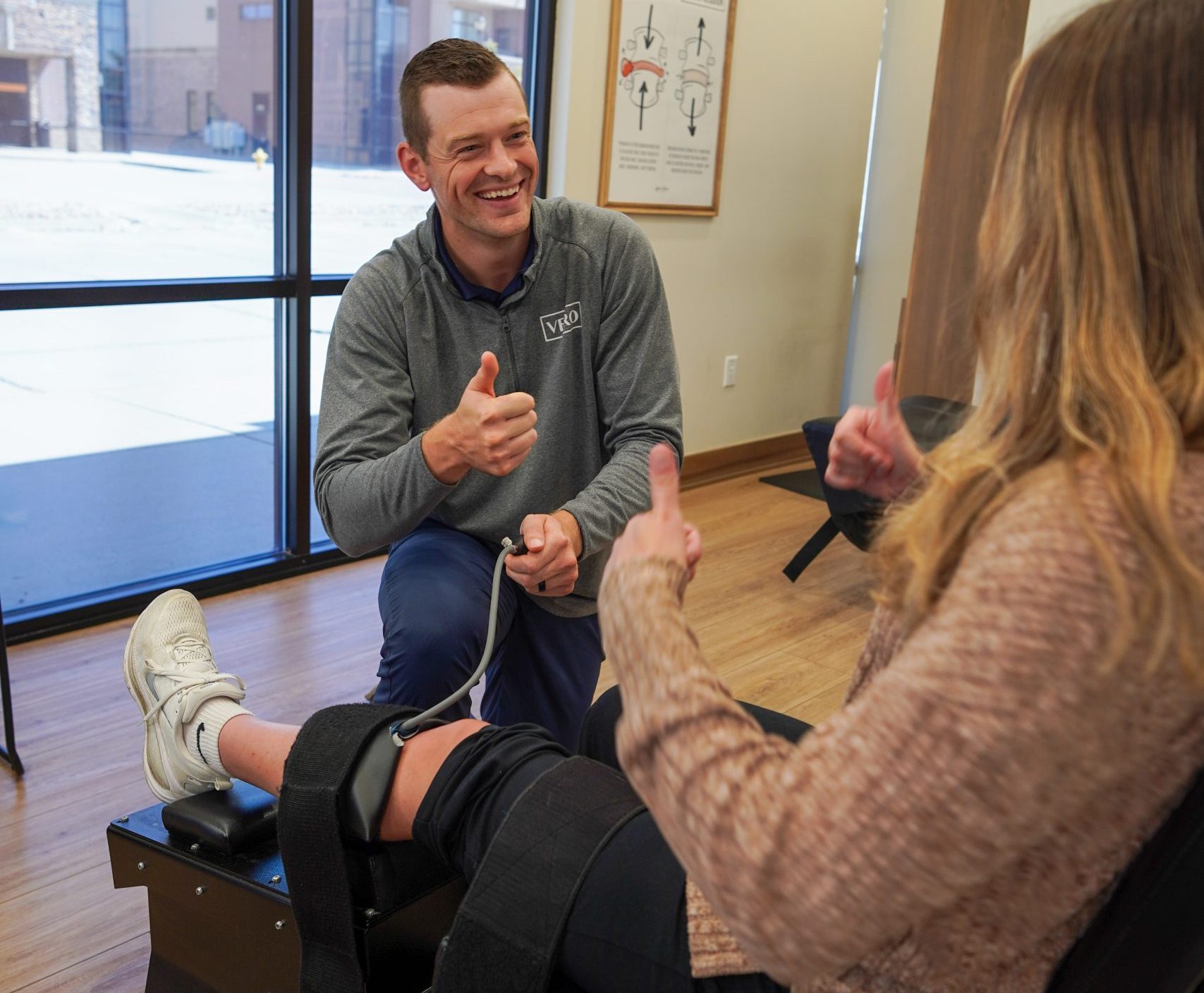
Conditions That Can Mimic Foot And Ankle Pain
Peripheral neuropathy from diabetes or other systemic causes produces burning, tingling, and numbness in the feet that can be confused with plantar fasciitis, Morton’s neuroma, or tarsal tunnel syndrome. Lumbar radiculopathy from S1 produces heel and outer foot pain that can be mistaken for plantar fasciitis. Tarsal tunnel syndrome, compression of the tibial nerve at the inner ankle, produces plantar foot burning and tingling similar to plantar fasciitis. These conditions require different evaluation and treatment, making an accurate diagnosis the essential first step.
When To Seek Urgent Care For Foot Or Ankle Pain
Seek urgent evaluation for foot or ankle pain following significant trauma, particularly if there is an inability to bear weight, significant deformity, or severe swelling. A suspected fracture requires imaging before loading the foot. Foot pain accompanied by fever, redness, and warmth in a patient with diabetes warrants urgent evaluation to rule out infection.
What Our Patients Are Saying


How We Diagnose Foot And Ankle Pain At Vero Health Center
Foot and ankle evaluation at Vero Health Center includes assessment of local foot and ankle structures alongside evaluation of the lumbar spine, knee, and hip mechanics that influence lower extremity loading. Palpation identifies the specific location of maximal tenderness. Functional movement assessment reveals how the foot and ankle are loading during gait and weight-bearing activities. Where appropriate, we review imaging and may recommend X-ray to assess for structural pathology or stress fractures.
How Vero Health Center Treats Foot And Ankle Pain
Treatment for foot and ankle pain targets the specific structure involved and the contributing biomechanical factors from the lower extremity and lumbar spine.
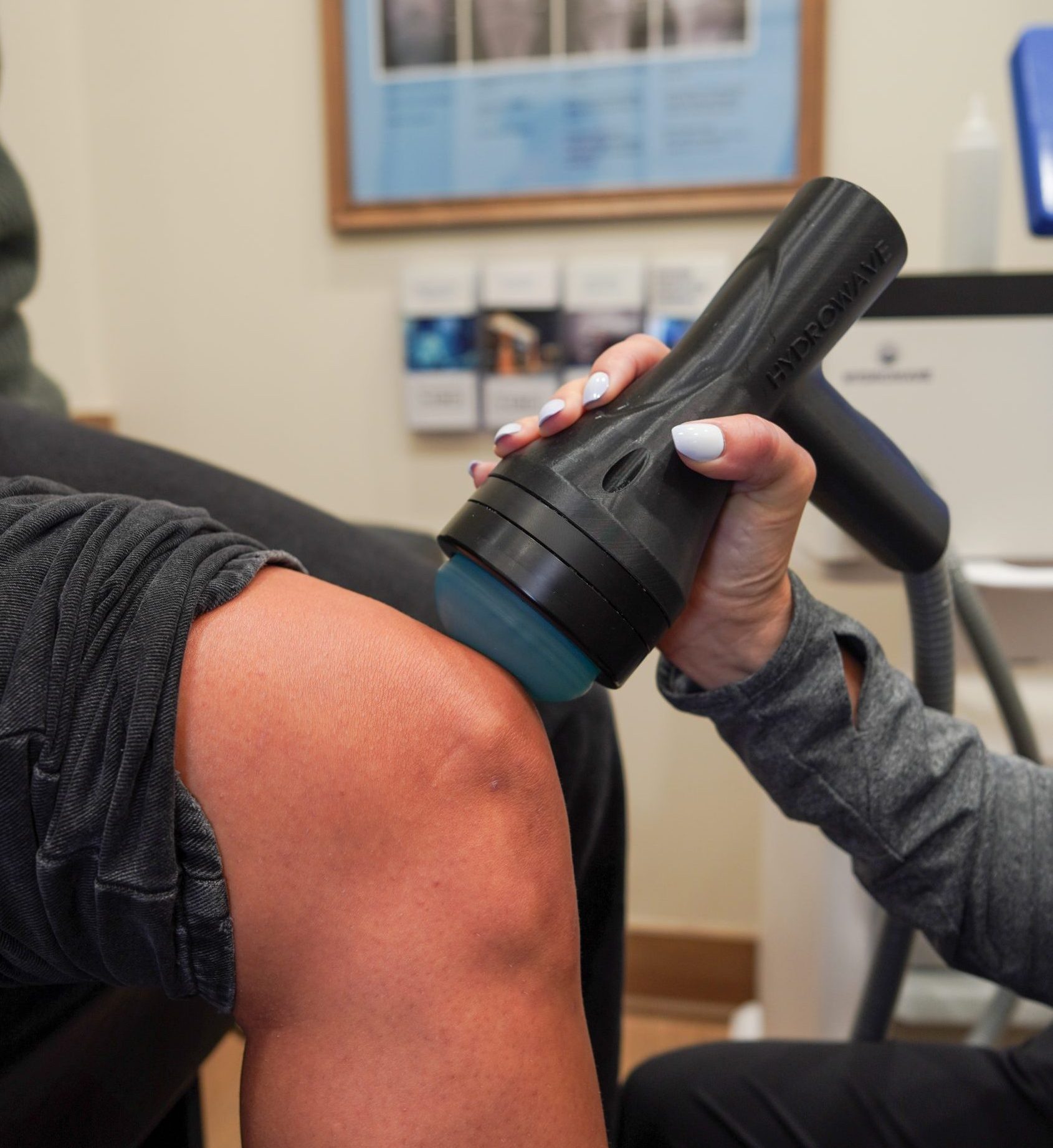
Shockwave Therapy For Plantar Fasciitis And Achilles Tendinopathy
Shockwave therapy is one of the most evidence-supported conservative treatments for chronic plantar fasciitis and Achilles tendinopathy. Acoustic wave energy targets the tissue damage driving the chronic pain and stimulates the body’s repair response where rest and other conservative care have not provided lasting relief.

Ankle Rehabilitation And Proprioceptive Training
For ankle sprains and chronic instability, rehabilitation targeting the peroneal muscles, single-leg balance, and dynamic ankle stability corrects the proprioceptive deficits that increase reinjury risk. Inadequate rehabilitation is the primary cause of chronic ankle instability.

Lumbar And Lower Extremity Chiropractic Care
When evaluation reveals that lumbar, pelvic, or knee mechanics are contributing to abnormal foot loading, chiropractic care at those levels addresses the chain above the foot. Overpronation driven by hip weakness or altered pelvic mechanics is a common contributor to plantar fasciitis that is missed when evaluation focuses only on the foot.
Why Early Treatment Matters For Foot And Ankle Pain
Plantar fascia and Achilles tendon conditions that are not addressed become increasingly difficult to treat as the tissue degenerates and the surrounding biomechanical adaptations become more established. Ankle sprains that are not properly rehabilitated lead to chronic instability and increased risk of future injury. Early evaluation and care address the tissue damage and biomechanical contributors before chronic changes develop.
Meet The Experts Behind Your Care
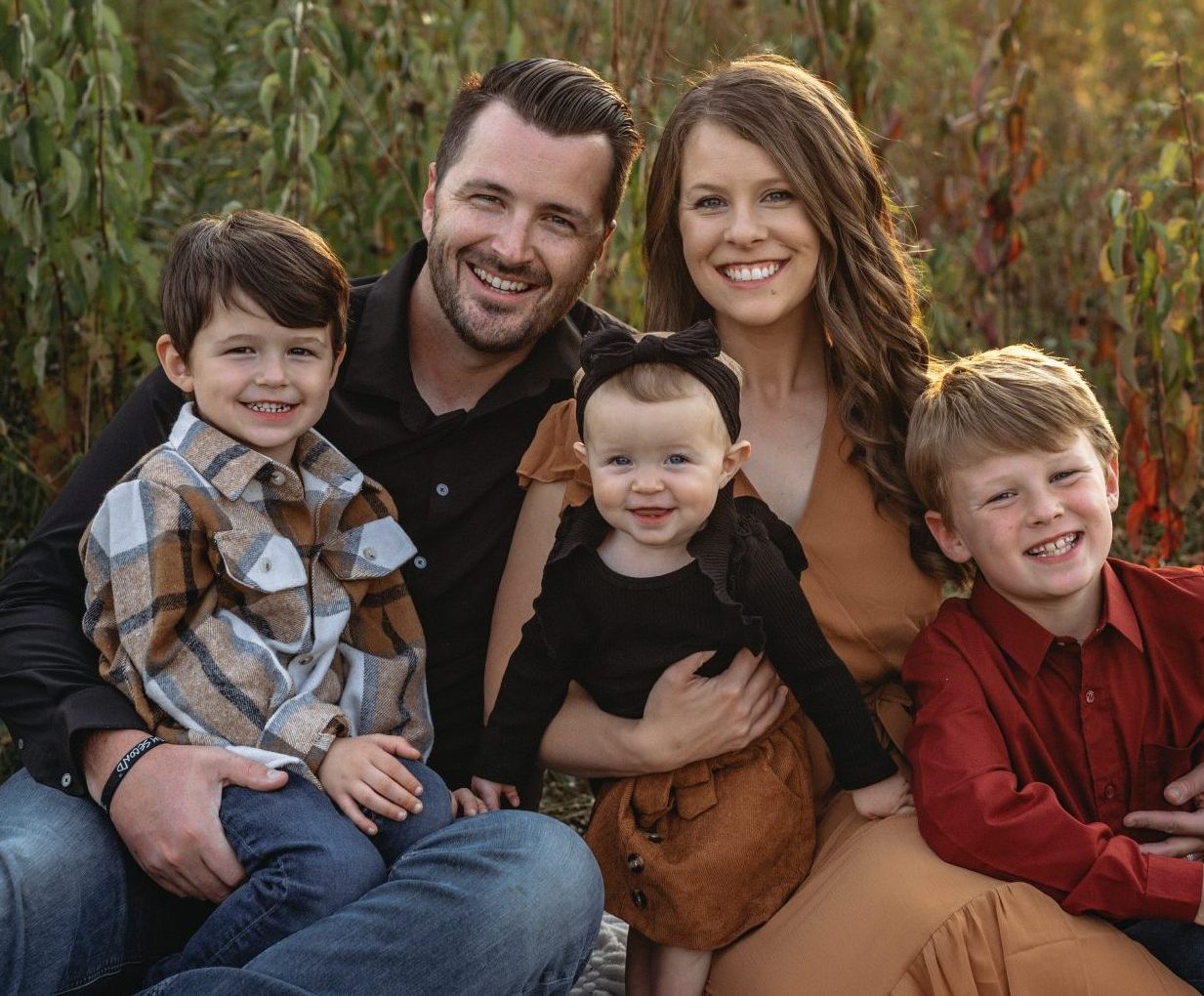
Dr. Josiah Fitzsimmons, D.C.
Dr. Josiah Fitzsimmons is originally from Ames, IA. He played college football at South Dakota State and graduated cum laude with a bachelor’s degree in Exercise Science and a master’s degree in Nutrition, Exercise and Food Sciences in a five-year span. He then attended the fountainhead, Palmer College of Chiropractic.

Dr. Logan Dabney, D.C.
Dr. Logan Dabney is originally from Centerville, IA. He attended Centerville High School, where he discovered his passion for health and science as a frequent visitor to his hometown chiropractor. He then attended the University of Northern Iowa, where he majored in Pre-Med/Chiropractic Biology, before completing his graduate studies at Palmer College of Chiropractic. During his time at Palmer, Dr. Logan was heavily involved in Torque Release Technique and earned Advanced Proficiency Certification in it.
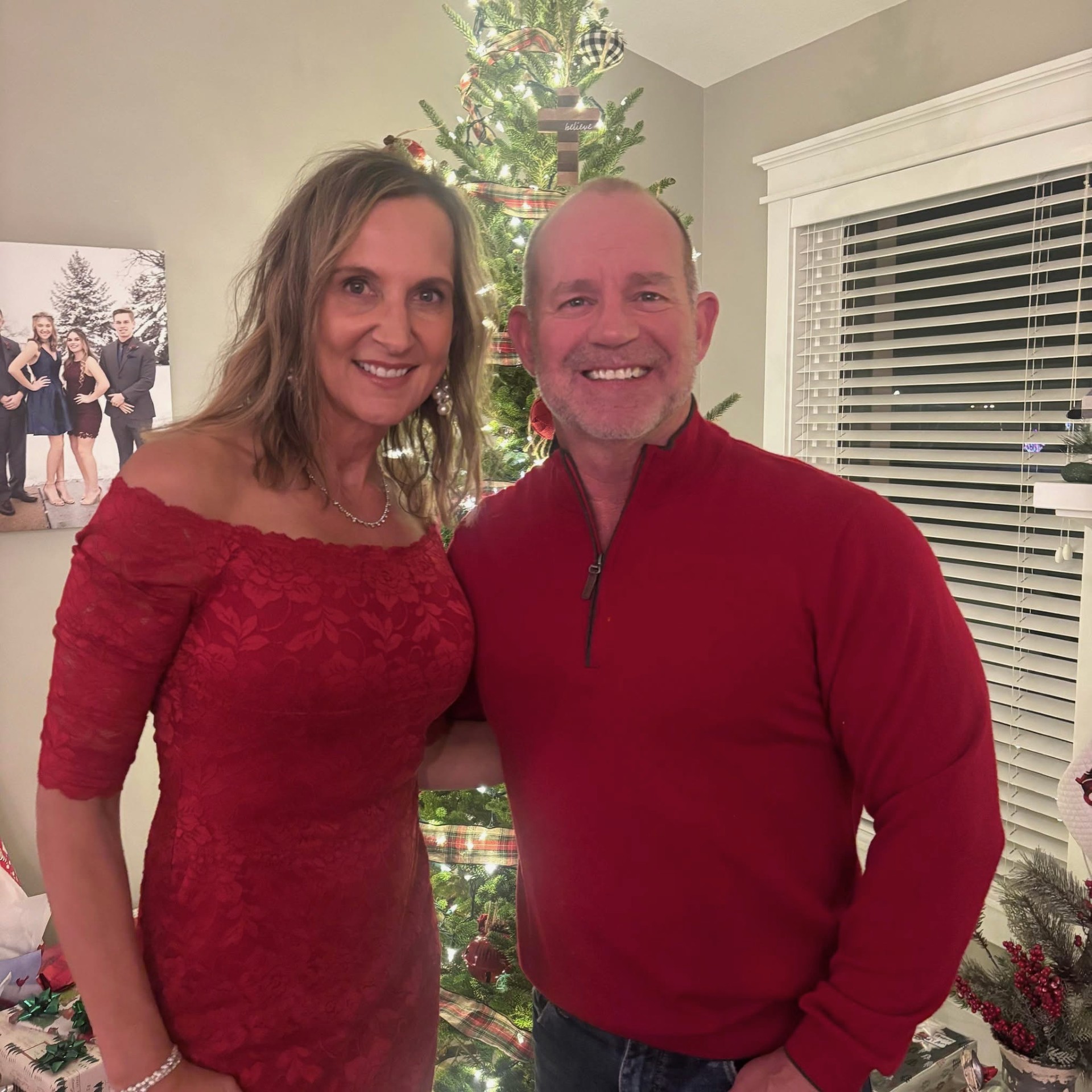
Dr. Scott Coyle, D.C.
Dr. E. Scott Coyle is originally from Waterloo, IA. He graduated from Pepperdine University with a Bachelor of Science degree in Sports Medicine and then attended Palmer College of Chiropractic-West. After practicing in California for several years, he returned to Knoxville, IA, in 1997, where he practiced until 2016. Dr. Coyle then worked in robotic spine and brain surgery for two years with Mazor Robotics, and practiced in Lawrence, KS, for two years before returning home to join the Vero Health Center team. He works with patients dealing with chronic neck, mid-back, and low-back pain, headaches, and arthritis-related discomfort.
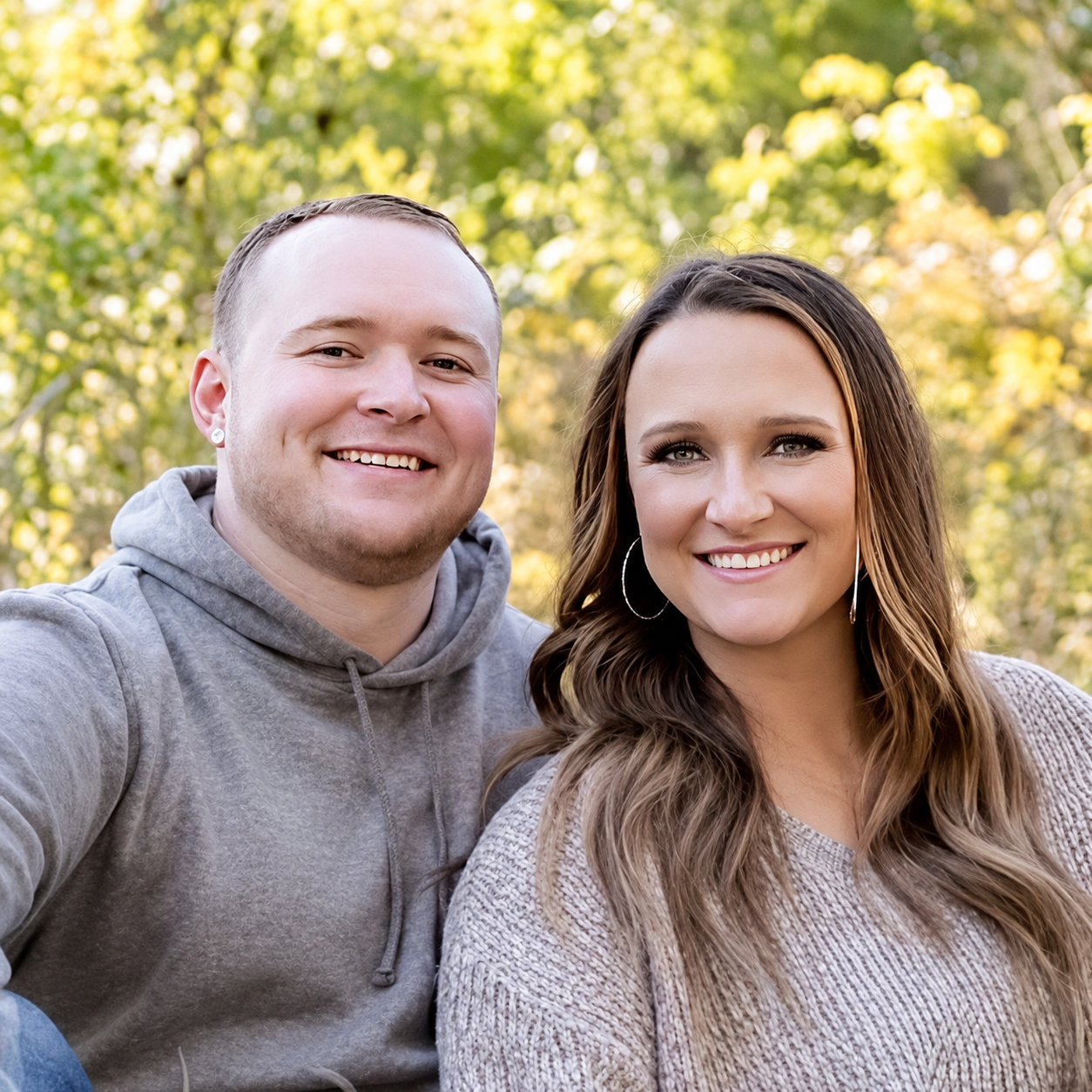
Dr. Austin Seitsinger, D.C.
Dr. Austin Seitsinger is originally from Sumner, Iowa. He studied Biology at the University of Northern Iowa, and then attended Palmer College of Chiropractic. He chose to pursue chiropractic at a young age as he has always had a passion for helping others.
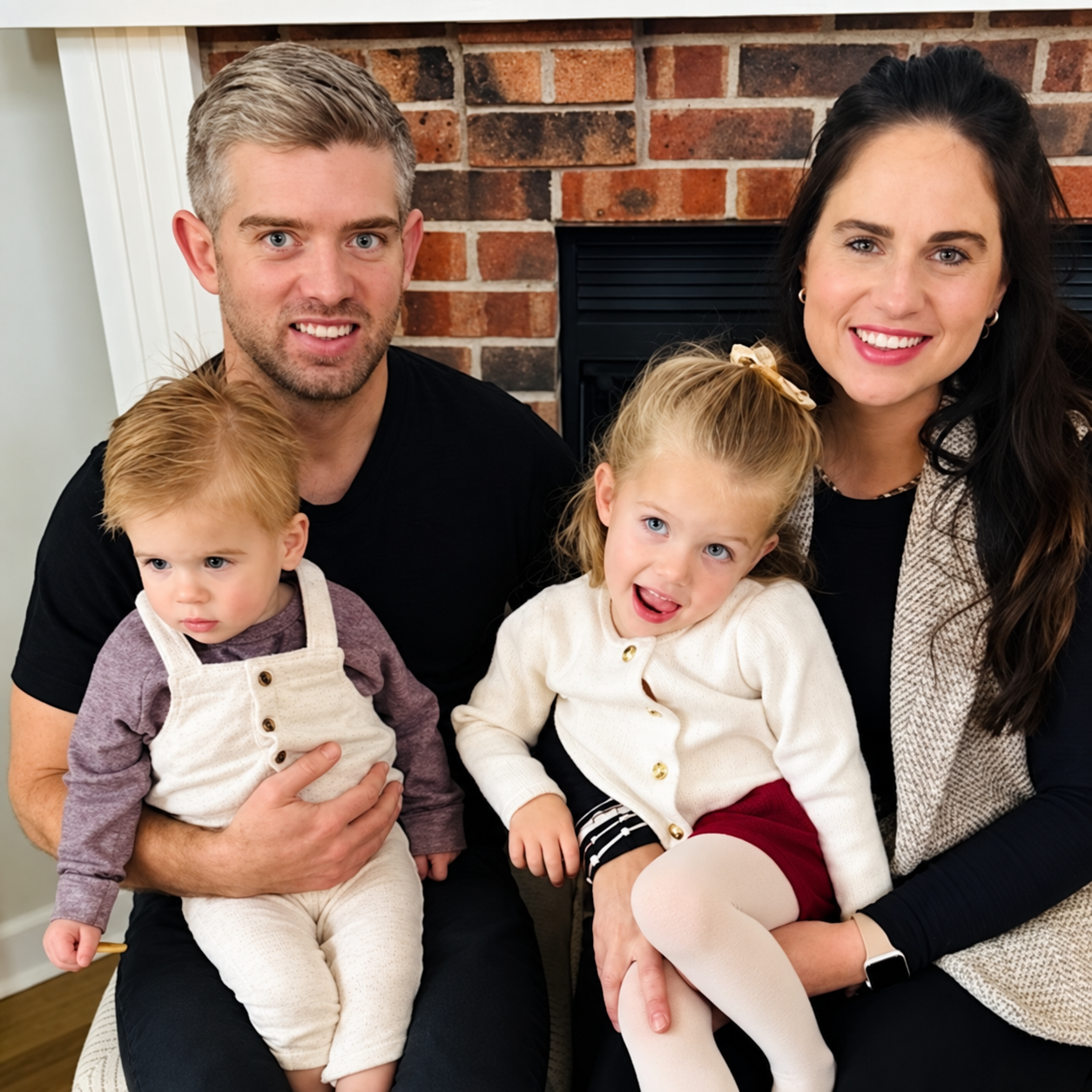
Dr. Nate Halverson, D.C.
Dr. Nate Halverson is originally from Fort Dodge, IA, where he was a multi-sport athlete at Fort Dodge Senior High and placed 5th at the Iowa High School wrestling tournament. He found his passion for holistic health care through his background in athletics. After receiving his Bachelor’s degree in Biology from the University of Northern Iowa, he graduated with honors from Palmer College of Chiropractic in Davenport, IA, in 2015. He then worked as the lead chiropractor for a chiropractic and sports injury practice in Chicago before moving back to the Des Moines area with his wife, Leah, to be closer to family. They welcomed their daughter, Hayes, in April 2022 and their son, Steele, in June 2024.

Dr. Colby Nelson, D.C.
Dr. Colby Nelson is originally from Audubon, Iowa. He attended Iowa State University, where he received his Bachelor of Science degree in Psychology, and then attended Palmer College of Chiropractic in Davenport, where he received his Doctorate of Chiropractic degree. During his time at Palmer, he was a leader of the Sports Injury Club and participated in a clinic abroad program in Brazil. Before joining the team at Vero, Dr. Colby operated his own chiropractic clinic for 12 years.
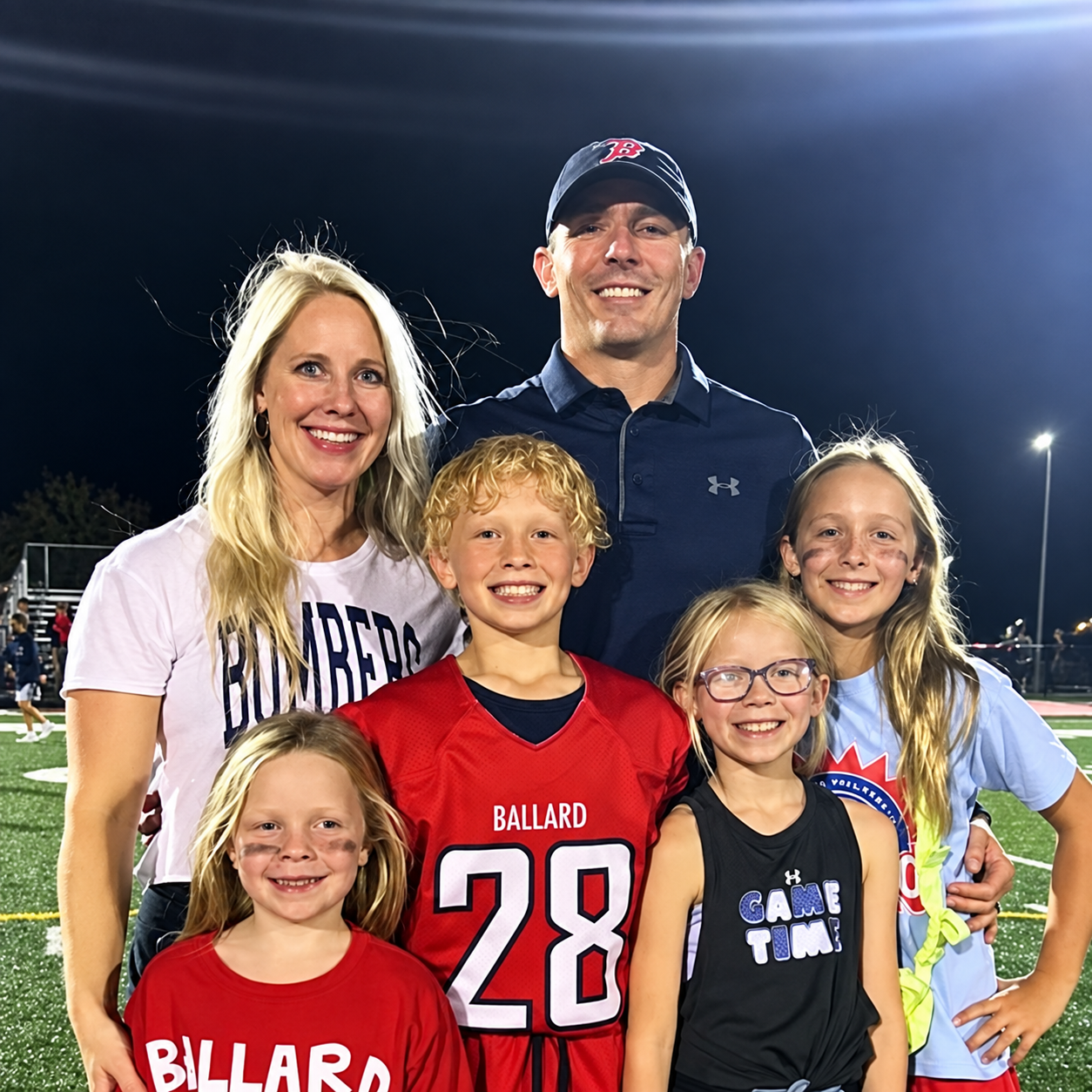
Dr. Taylor Vanden Wynboom, D.C.
Dr. Taylor Vanden Wynboom is originally from Britt, IA. He received his BS degree from Central College and his Doctorate degree from Palmer College of Chiropractic. Before joining the team at Vero Health Center, he owned his own practice in both Ames and Ankeny. In his free time, he enjoys coaching football, exercising, and spending time with his wife Amanda and their four kids, Tate, Harper, Holland, and Harlow.

Dr. Darrius Poe, D.C.
Dr. Darrius Poe is originally from Fort Dodge, Iowa. He attended the University of Northern Iowa where he earned a bachelor’s degree in exercise science. While in undergrad, he discovered his passion for chiropractic after being treated for a sports injury in a chiropractic clinic. Not only did the chiropractic treatments help with his shoulder injury, he was also educated on the intricacies of the central nervous system and how chiropractic care can help the body heal and function better as a whole. Dr. Darrius’ experience as a chiropractic patient motivated him to pursue a career in chiropractic. He attended Palmer College of Chiropractic in Davenport, IA, where he received his doctorate in 2018. Prior to joining the Vero team, Dr. Darrius served as an associate and clinic director for six years in the Des Moines metro area.

Dr. Toby Thepsoumphone, D.C.
Dr. Toby Thepsoumphone is originally from Smyrna, Delaware. He graduated from the University of Delaware with a Bachelor of Science in Exercise Science with a concentration in Exercise Physiology. He then pursued a doctorate degree in chiropractic and graduated from Palmer College of Chiropractic in Davenport. Dr. Toby also attended Harris School of Business in Dover, Delaware, where he earned a degree in Massage Therapy. He has worked as a Licensed Massage Therapist since 2016. He specializes in sports massage, deep tissue, and gua sha. His passion is to help others to achieve optimal health and wellness. He has certifications in the Webster’s Technique and acupuncture.

Dr. Scott Jacobson, D.C.
Dr. Scott Jacobson grew up in Cherokee, Iowa, and has spent more than 17 years in practice across Iowa, Minnesota, Texas, California, and South America. While living in South America, he helped grow a clinic into one of the largest on the continent and became bilingual in Spanish along the way. He is Board Certified in Neuropathy (BCN) through the American College of Physical Medicine (ACoPM) and previously served in the United States Air Force and worked with the Department of Defense. Dr. Scott Jacobson has also been a black belt in Taekwondo for 40 years. He and his wife have two sons—so apparently he enjoys a challenge both professionally and at home.
Serving West Des Moines And Nearby Iowa Communities
Vero Health Center is located at 630 S 50th St in West Des Moines, Iowa, and serves patients from West Des Moines, Clive, Windsor Heights, Urbandale, Des Moines, Johnston, Norwalk, Waukee, Grimes, Saylorville, Van Meter, Pleasant Hill, Ankeny, Dallas Center, Granger, Polk City, De Soto, Carlisle, Adel, Altoona, Bondurant, Indianola, Cumming, and the surrounding area.
Sources And Clinical References
- Source: Mayo Clinic: Plantar Fasciitis
- Source: PubMed: ESWT in Common Lower Limb Conditions
- Source: MedlinePlus: Sports Injuries
Frequently Asked Questions
How long does plantar fasciitis take to resolve?
Plantar fasciitis can take several months to resolve even with appropriate treatment because the plantar fascia is a structure with relatively poor blood supply. With a structured treatment plan that includes shockwave therapy, appropriate loading modification, and addressing contributing biomechanical factors, most patients see meaningful improvement within 6 to 12 weeks.
Is shockwave therapy painful for plantar fasciitis?
Most patients experience pressure and mild discomfort during shockwave sessions, particularly the first one or two. The intensity can be adjusted based on your tolerance. Mild soreness in the treated area in the 24 to 48 hours following a session is common and expected.
Can Achilles tendinopathy be treated without surgery?
Yes. The majority of Achilles tendinopathy cases respond well to conservative care, including shockwave therapy, eccentric loading exercises, and addressing contributing biomechanical factors. Surgery is considered only when conservative care has not produced adequate improvement after a substantial trial.
Helpful Articles

The Source:A Vero Health Center Newsletter – Volume 107
The Source: A Vero Health Center Newsletter - Volume 107 A Vero Health Center Newsletter - Volume 107 Voting is open for CityView’s Best of Des Moines 2027, and we’d...
Read This ArticleBook Foot And Ankle Pain Treatment in West Des Moines
Foot and ankle pain that affects every step you take deserves a proper evaluation, not an indefinite wait-and-see. Vero Health Center provides conservative care for foot and ankle conditions that targets the source. Contact us to schedule your evaluation.