

Pinched Nerve Treatment In West Des Moines, IA
Content Reviewed by: Dr. Josiah Fitzsimmons, DC, BCN on November 10, 2026
Iowa Chiropractic License #085940 (NPI: 1568993574)
Pinched Nerve Treatment At A Glance
A pinched nerve, or nerve compression, is one of the more accurate descriptions patients use when they come to us in West Des Moines. When a nerve root leaving the spinal cord is compressed by a disc, a joint, or surrounding soft tissue, the signals it carries become disrupted. The result is pain, tingling, numbness, or weakness that follows the path of that nerve, often well away from the actual compression site.
At Vero Health Center, we use neurological scanning and orthopedic evaluation to identify exactly which nerve is being compressed and where the compression is occurring. That specificity determines everything about the care plan, from whether adjustments or decompression are most appropriate to what rehabilitation exercises will support nerve recovery.
What Is A Pinched Nerve?
A pinched nerve, clinically referred to as nerve compression or radiculopathy, occurs when a spinal nerve root is subjected to increased pressure from an adjacent structure. The most common compressive structures are herniated or bulging discs, arthritic bone spurs that narrow the space through which nerve roots travel, thickened ligaments, and inflamed joints.
The spinal cord branches into nerve roots at each level of the spine. These roots exit through openings between vertebrae called foramina and travel to specific regions of the body. When compression occurs at a particular spinal level, symptoms appear in the corresponding region of the body. Compression at C6 in the cervical spine produces thumb and index finger symptoms. Compression at L5 in the lumbar spine produces outer calf and foot symptoms.
Radiating pain is the most distinctive feature of nerve compression. It follows a predictable path that corresponds to the nerve’s anatomical distribution, which is what allows a trained examiner to identify the likely spinal level from the symptom pattern alone.

Common Symptoms Of A Pinched Nerve
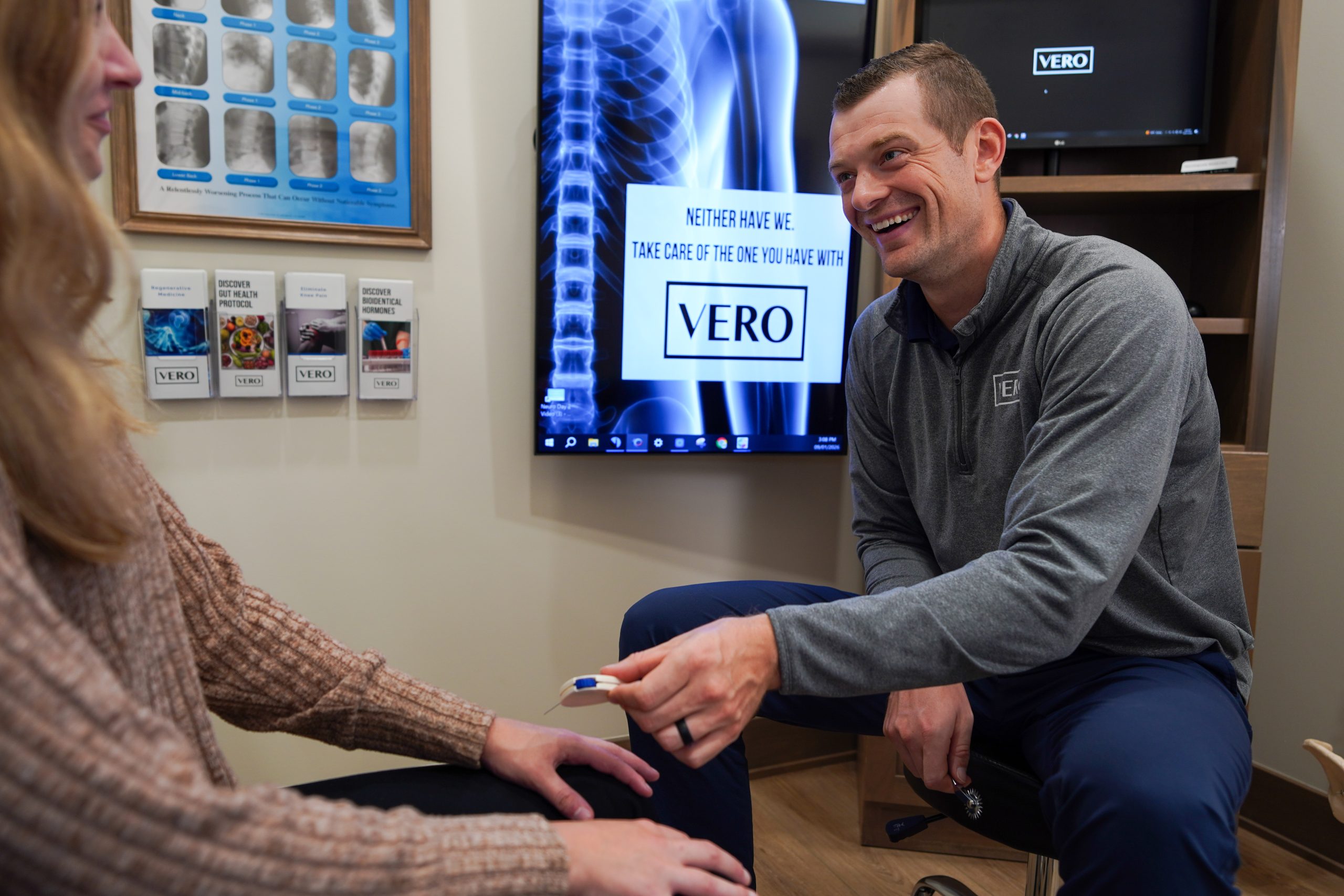
Pinched nerve symptoms are often distinctive enough that patients can describe their pattern before any clinical testing is done.
The characteristic symptoms include sharp or burning radiating pain that travels from the neck or lower back into the arm, hand, leg, or foot. Tingling or numbness in the extremity, sometimes described as a limb falling asleep, is common. Some patients experience a deep aching in the arm or leg rather than sharp pain. Weakness in specific muscle groups supplied by the affected nerve can develop with prolonged or severe compression.
Symptoms tend to worsen with positions or activities that increase compression on the affected nerve root. In the cervical spine, looking up or extending the neck often aggravates arm symptoms. In the lumbar spine, prolonged sitting or coughing frequently worsens leg symptoms. Understanding these aggravating and easing patterns is clinically useful in identifying the level of involvement.
What Causes A Pinched Nerve?
Nerve compression in the spine has several common causes, and the specific cause matters because it influences which treatment approach is most effective.
Disc herniation is the most common cause in patients under fifty. When disc material bulges toward a nerve root, direct chemical and mechanical irritation of the nerve produces radicular symptoms. The onset may be sudden following a lifting injury or gradual following cumulative mechanical stress.
Foraminal stenosis is a narrowing of the opening through which the nerve root exits the spine. It is more common in older patients and develops as a result of disc height loss combined with arthritic bone spur formation. The resulting compression is positional and often worsens with spinal extension.
Acute joint inflammation following a facet joint sprain or injury can temporarily reduce the space available for the nerve root, producing acute radicular symptoms that resolve as the inflammation subsides if the underlying joint dysfunction is also addressed.

Conditions That Can Mimic A Pinched Nerve
Peripheral neuropathy produces tingling and numbness in the extremities through a different mechanism, affecting the peripheral nerves rather than the spinal nerve roots. It is often bilateral and does not follow the dermatomal pattern of spinal radiculopathy. Thoracic outlet syndrome produces arm and hand symptoms from compression of nerve structures between the collarbone and first rib rather than from spinal nerve root compression. Carpal tunnel syndrome is a peripheral entrapment neuropathy at the wrist that produces hand and finger symptoms that can be confused with cervical radiculopathy. An accurate diagnosis distinguishes these conditions and ensures care targets the correct structure.
When To Seek Urgent Care For A Pinched Nerve
Seek urgent medical attention if radiating pain is accompanied by rapid progression of limb weakness, loss of bladder or bowel control, numbness in the groin or inner thighs, or symptoms that began after significant trauma. These presentations may indicate cauda equina syndrome or cervical myelopathy, both of which require immediate medical evaluation.
What Our Patients Are Saying


How We Diagnose Pinched Nerves At Vero Health Center
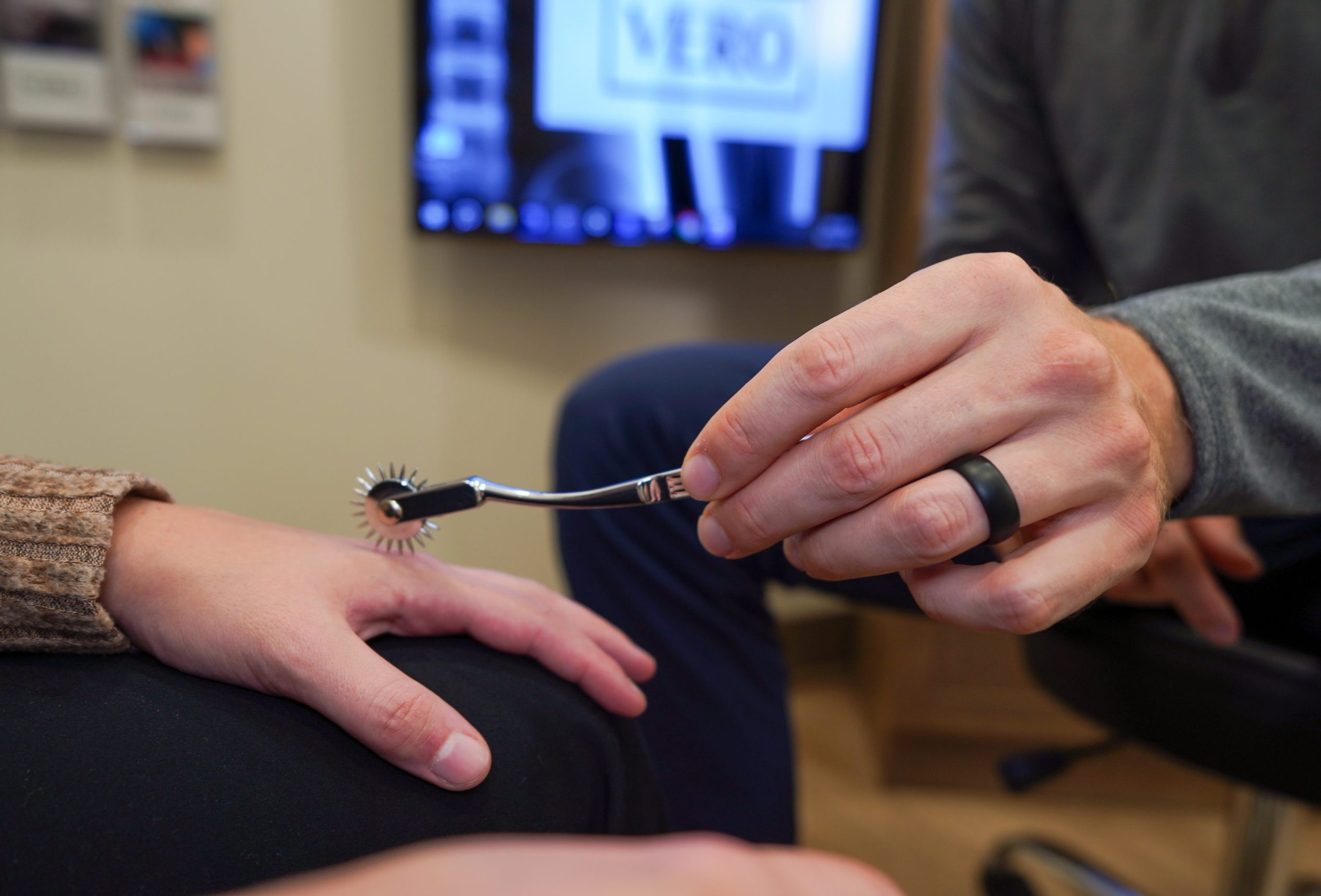
Nerve compression diagnosis at Vero Health Center involves neurological scanning to identify levels of nerve interference along the spine, orthopedic and neurological testing to confirm radiculopathy and identify the affected level, and dermatomal sensory evaluation to map the symptom distribution against known nerve root patterns. Spinal motion testing and palpation identify the structural source of compression. We review any available imaging and may recommend X-rays or refer for MRI where the clinical evaluation warrants it.
How Vero Health Center Treats Pinched Nerves
Treatment targets the source of nerve compression or irritation. The approach is determined by what the evaluation reveals about the structure creating pressure on the nerve and whether symptoms are coming from the spine, surrounding joints, or peripheral nerve involvement.
Spinal Decompression Therapy
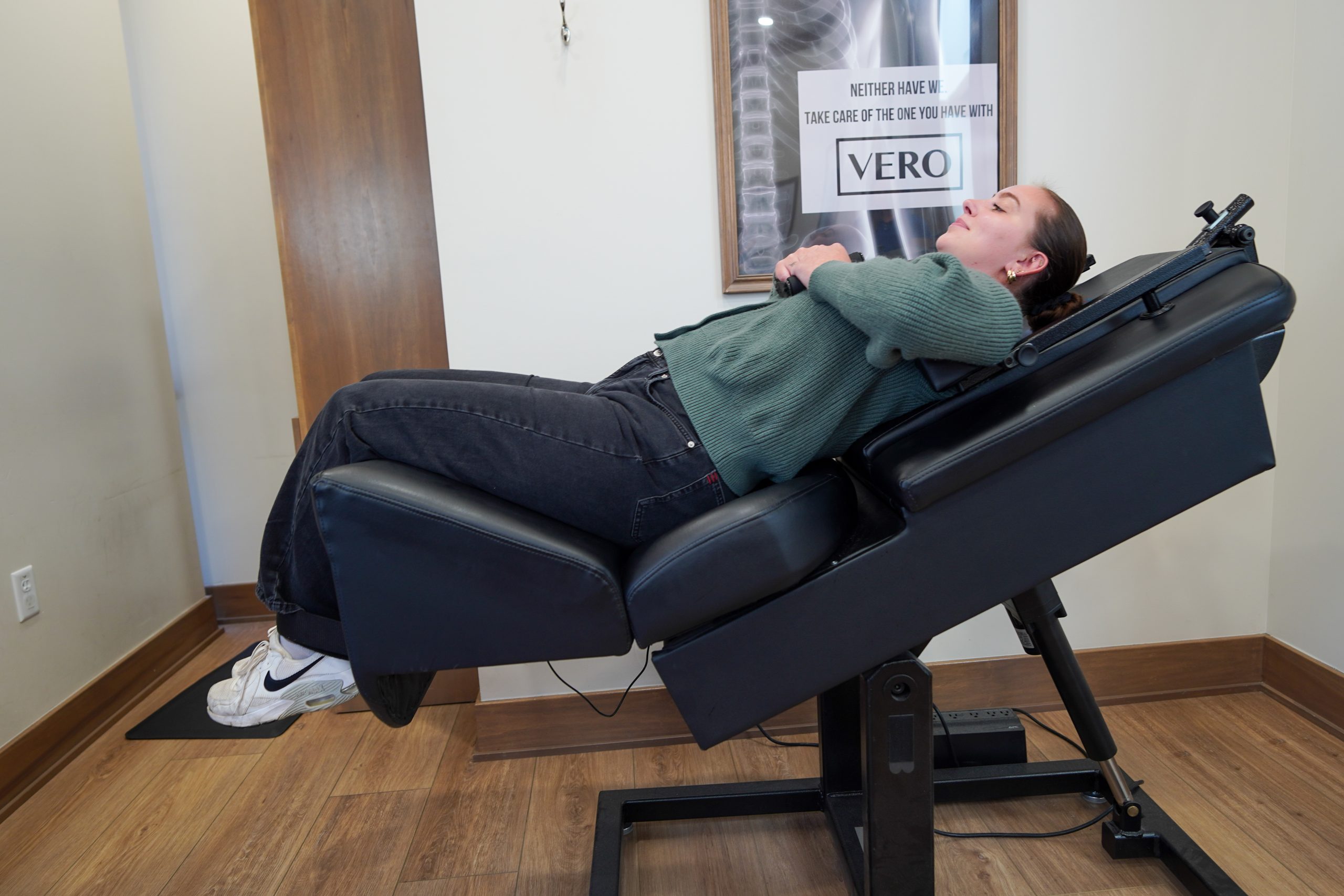
For disc-related nerve compression, spinal decompression therapy may help reduce pressure on the affected nerve root. This is often considered for patients with confirmed disc herniation, disc bulge, sciatica, radiating arm pain, radiating leg pain, numbness, tingling, or weakness related to spinal nerve involvement.

Chiropractic Adjustments
Chiropractic adjustments help restore normal joint mechanics at and around the affected spinal level. Improving restricted motion may reduce mechanical irritation, support better spinal function, and help improve how the spine moves around irritated nerve structures.
Shockwave Therapy For Local Pain And Inflammation
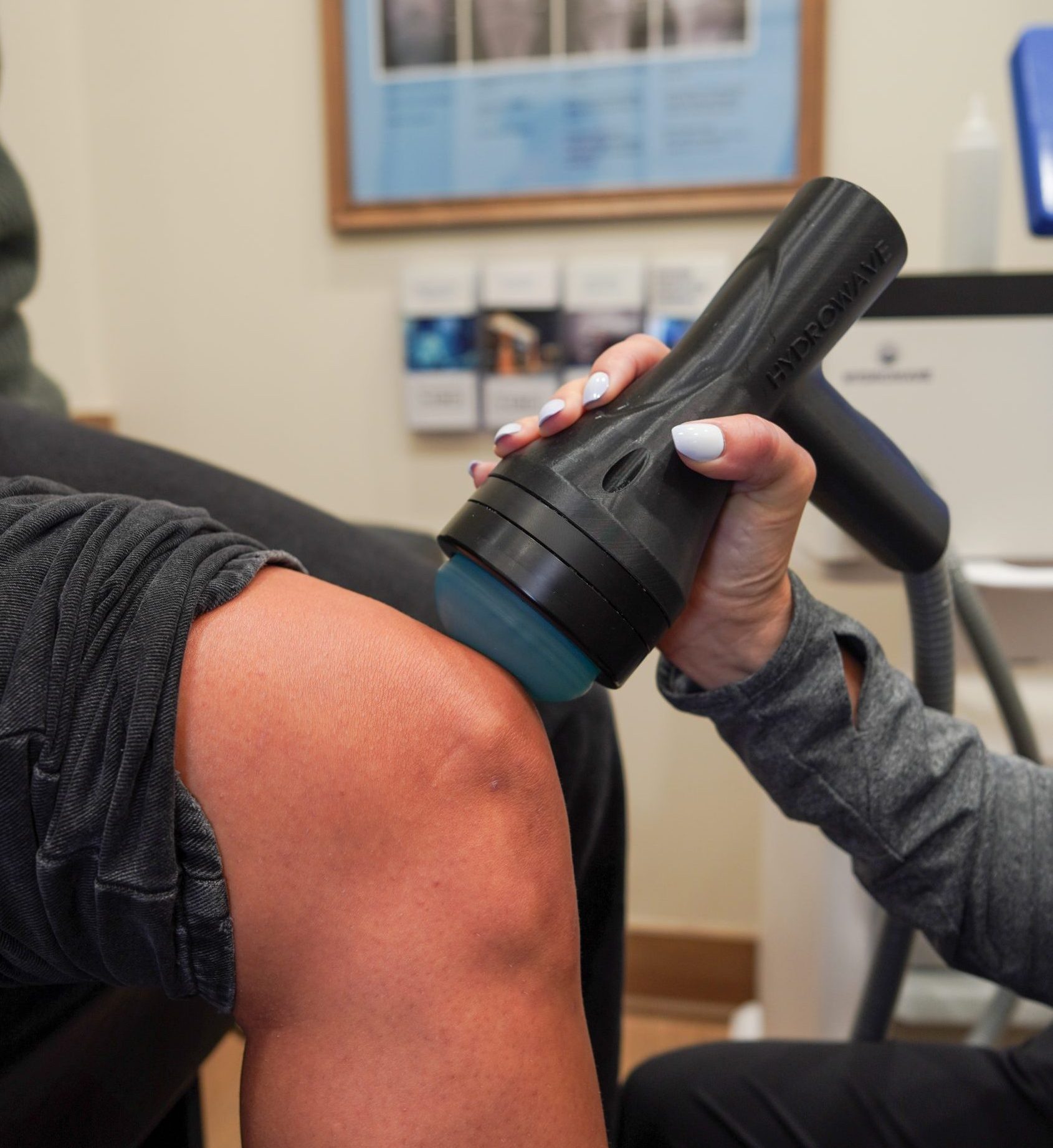
When a pinched nerve presentation also involves localized muscle guarding, tendon irritation, ligament strain, joint irritation, or lingering inflammation in the surrounding area, shockwave therapy may be included as part of the care plan. SoftWave therapy is not used to directly “decompress” a spinal nerve, but it may support recovery in targeted areas that are contributing to pain, stiffness, or movement limitation.

Home Exercise Support For Stability And Movement
When appropriate, home exercises are selected based on the affected area, the level of nerve involvement, and the movement deficits found during evaluation. The goal is to support spinal stability, improve movement quality, and reduce the mechanical loading patterns that may contribute to ongoing nerve irritation.
Why Early Treatment Matters For A Pinched Nerve
Prolonged nerve compression can lead to changes in nerve function that are more difficult to reverse than the original compression. Chronic inflammation around a compressed nerve root produces scar tissue and sensitization that sustains symptoms even after the mechanical compression is reduced. Early evaluation and treatment address the compression before those secondary changes develop.
Meet The Experts Behind Your Care
Dr. Josiah Fitzsimmons, D.C.
Dr. Josiah Fitzsimmons is originally from Ames, IA. He played college football at South Dakota State and graduated cum laude with a bachelor’s degree in Exercise Science and a master’s degree in Nutrition, Exercise and Food Sciences in a five-year span. He then attended the fountainhead, Palmer College of Chiropractic.

Dr. Logan Dabney, D.C.
Dr. Logan Dabney is originally from Centerville, IA. He attended Centerville High School, where he discovered his passion for health and science as a frequent visitor to his hometown chiropractor. He then attended the University of Northern Iowa, where he majored in Pre-Med/Chiropractic Biology, before completing his graduate studies at Palmer College of Chiropractic. During his time at Palmer, Dr. Logan was heavily involved in Torque Release Technique and earned Advanced Proficiency Certification in it.
Dr. Scott Coyle, D.C.
Dr. E. Scott Coyle is originally from Waterloo, IA. He graduated from Pepperdine University with a Bachelor of Science degree in Sports Medicine and then attended Palmer College of Chiropractic-West. After practicing in California for several years, he returned to Knoxville, IA, in 1997, where he practiced until 2016. Dr. Coyle then worked in robotic spine and brain surgery for two years with Mazor Robotics, and practiced in Lawrence, KS, for two years before returning home to join the Vero Health Center team. He works with patients dealing with chronic neck, mid-back, and low-back pain, headaches, and arthritis-related discomfort.
Dr. Austin Seitsinger, D.C.
Dr. Austin Seitsinger is originally from Sumner, Iowa. He studied Biology at the University of Northern Iowa, and then attended Palmer College of Chiropractic. He chose to pursue chiropractic at a young age as he has always had a passion for helping others.
Dr. Nate Halverson, D.C.
Dr. Nate Halverson is originally from Fort Dodge, IA, where he was a multi-sport athlete at Fort Dodge Senior High and placed 5th at the Iowa High School wrestling tournament. He found his passion for holistic health care through his background in athletics. After receiving his Bachelor’s degree in Biology from the University of Northern Iowa, he graduated with honors from Palmer College of Chiropractic in Davenport, IA, in 2015. He then worked as the lead chiropractor for a chiropractic and sports injury practice in Chicago before moving back to the Des Moines area with his wife, Leah, to be closer to family. They welcomed their daughter, Hayes, in April 2022 and their son, Steele, in June 2024.

Dr. Colby Nelson, D.C.
Dr. Colby Nelson is originally from Audubon, Iowa. He attended Iowa State University, where he received his Bachelor of Science degree in Psychology, and then attended Palmer College of Chiropractic in Davenport, where he received his Doctorate of Chiropractic degree. During his time at Palmer, he was a leader of the Sports Injury Club and participated in a clinic abroad program in Brazil. Before joining the team at Vero, Dr. Colby operated his own chiropractic clinic for 12 years.
Dr. Taylor Vanden Wynboom, D.C.
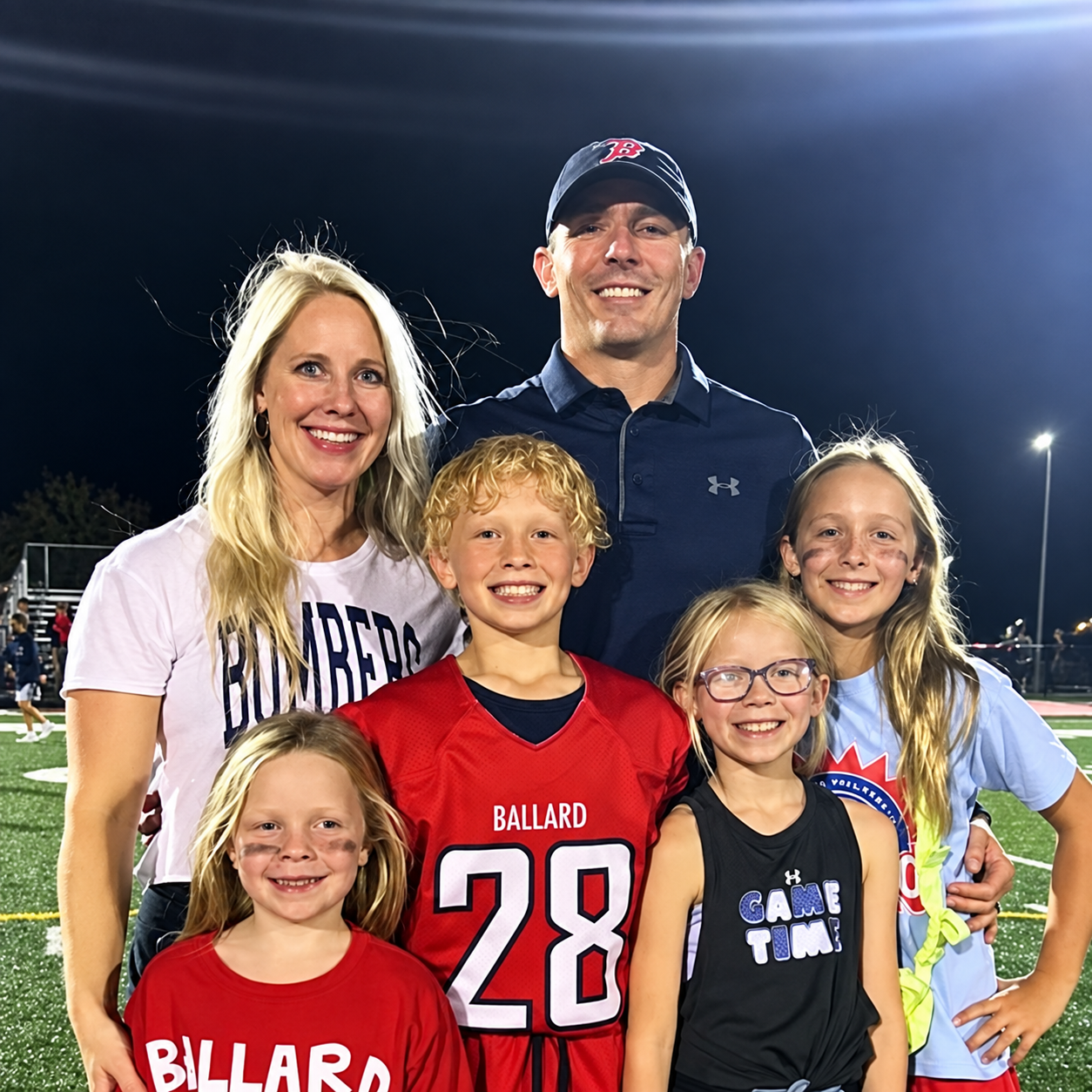
Dr. Taylor Vanden Wynboom is originally from Britt, IA. He received his BS degree from Central College and his Doctorate degree from Palmer College of Chiropractic. Before joining the team at Vero Health Center, he owned his own practice in both Ames and Ankeny. In his free time, he enjoys coaching football, exercising, and spending time with his wife Amanda and their four kids, Tate, Harper, Holland, and Harlow.

Dr. Darrius Poe, D.C.
Dr. Darrius Poe is originally from Fort Dodge, Iowa. He attended the University of Northern Iowa where he earned a bachelor’s degree in exercise science. While in undergrad, he discovered his passion for chiropractic after being treated for a sports injury in a chiropractic clinic. Not only did the chiropractic treatments help with his shoulder injury, he was also educated on the intricacies of the central nervous system and how chiropractic care can help the body heal and function better as a whole. Dr. Darrius’ experience as a chiropractic patient motivated him to pursue a career in chiropractic. He attended Palmer College of Chiropractic in Davenport, IA, where he received his doctorate in 2018. Prior to joining the Vero team, Dr. Darrius served as an associate and clinic director for six years in the Des Moines metro area.

Dr. Toby Thepsoumphone, D.C.
Dr. Toby Thepsoumphone is originally from Smyrna, Delaware. He graduated from the University of Delaware with a Bachelor of Science in Exercise Science with a concentration in Exercise Physiology. He then pursued a doctorate degree in chiropractic and graduated from Palmer College of Chiropractic in Davenport. Dr. Toby also attended Harris School of Business in Dover, Delaware, where he earned a degree in Massage Therapy. He has worked as a Licensed Massage Therapist since 2016. He specializes in sports massage, deep tissue, and gua sha. His passion is to help others to achieve optimal health and wellness. He has certifications in the Webster’s Technique and acupuncture.

Dr. Scott Jacobson, D.C.
Dr. Scott Jacobson grew up in Cherokee, Iowa, and has spent more than 17 years in practice across Iowa, Minnesota, Texas, California, and South America. While living in South America, he helped grow a clinic into one of the largest on the continent and became bilingual in Spanish along the way. He is Board Certified in Neuropathy (BCN) through the American College of Physical Medicine (ACoPM) and previously served in the United States Air Force and worked with the Department of Defense. Dr. Scott Jacobson has also been a black belt in Taekwondo for 40 years. He and his wife have two sons—so apparently he enjoys a challenge both professionally and at home.
Serving West Des Moines And Nearby Iowa Communities
Vero Health Center is located at 630 S 50th St in West Des Moines, Iowa, and serves patients from West Des Moines, Clive, Windsor Heights, Urbandale, Des Moines, Johnston, Norwalk, Waukee, Grimes, Saylorville, Van Meter, Pleasant Hill, Ankeny, Dallas Center, Granger, Polk City, De Soto, Carlisle, Adel, Altoona, Bondurant, Indianola, Cumming, and the surrounding area.
Sources And Clinical References
- Source: NCBI Bookshelf: Cervical Radiculopathy
- Source: NCBI Bookshelf: Sciatica
- Source: Mayo Clinic: Peripheral Neuropathy
Frequently Asked Questions
How do I know if I have a pinched nerve versus a muscle strain?
Muscle strain typically produces localized pain at the site of injury without radiating symptoms into the limb. A pinched nerve produces pain, tingling, or numbness that travels along the path of the nerve, often well into the arm or leg. That radiating pattern is the key distinguishing feature. An evaluation can confirm which is present.
Can a pinched nerve heal on its own?
Some cases of nerve compression resolve as inflammation subsides, particularly following an acute disc injury. However, without addressing the underlying spinal mechanics that produced the compression, the risk of recurrence remains. Conservative care supports nerve recovery and addresses the structural contributors to compression.
Does chiropractic care help pinched nerves?
Chiropractic adjustments can reduce the mechanical pressure on nerve roots by restoring normal joint motion and alignment. For disc-related compression, spinal decompression is often more directly targeted at the source of the problem. We will determine which approach fits your case based on the evaluation.
How long does nerve pain take to resolve?
Nerve pain typically resolves more slowly than musculoskeletal pain because nerves heal at their own pace once pressure is reduced. Many patients notice improvement in their symptoms over the course of a care series. Full resolution depends on the severity of compression and how long it has been present.
Helpful Articles

The Source:A Vero Health Center Newsletter – Volume 107
The Source: A Vero Health Center Newsletter - Volume 107 A Vero Health Center Newsletter - Volume 107 Voting is open for CityView’s Best of Des Moines 2027, and we’d...
Read This ArticleBook Pinched Nerve Treatment in West Des Moines
Radiating pain, tingling, and numbness are signs that a nerve is under pressure. Vero Health Center identifies the source and builds a care plan around relieving that pressure. Contact us to schedule your evaluation.